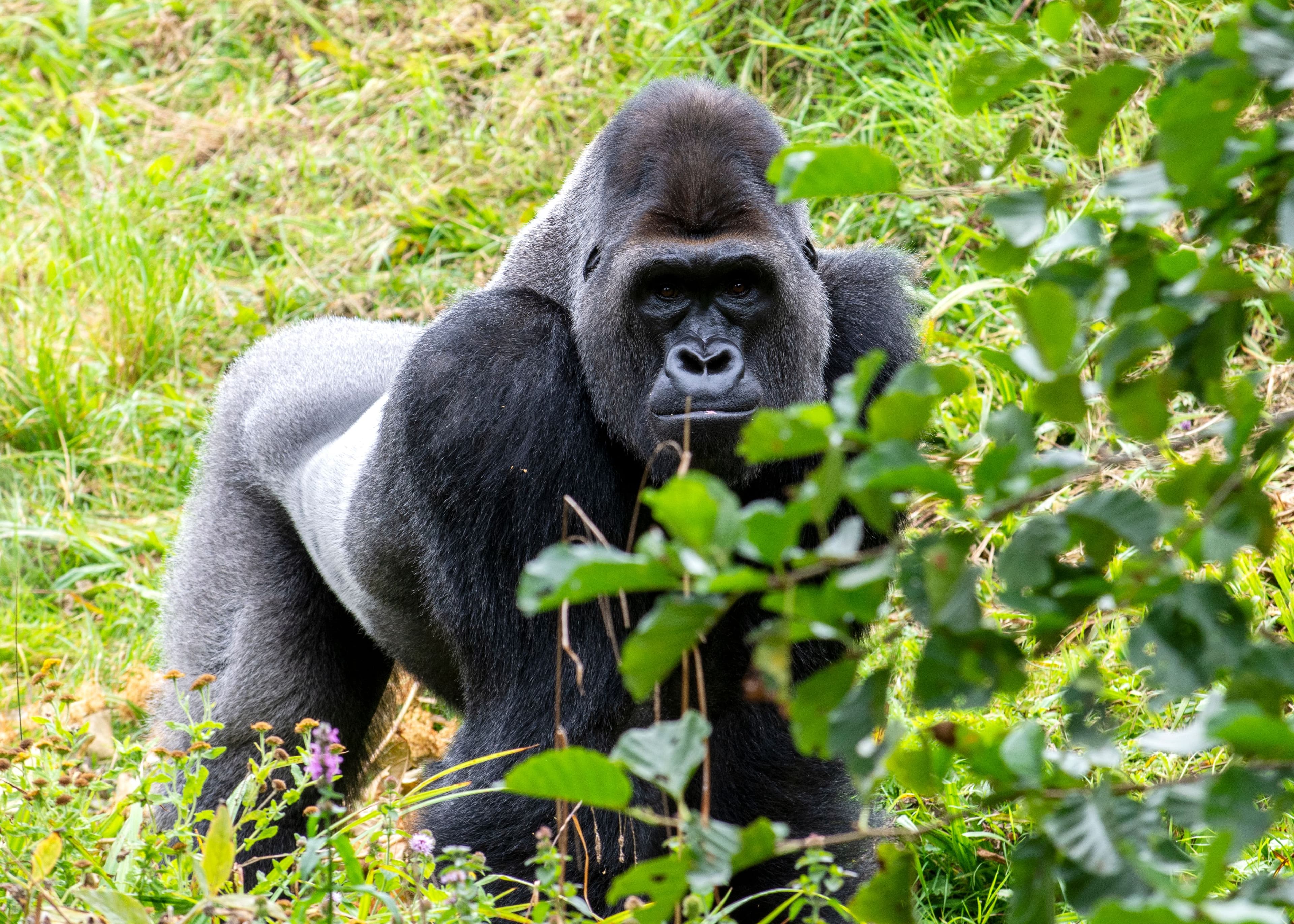
Rwanda has pioneered a high-value, low-impact model of eco-tourism that is rapidly becoming the gold standard for wildlife conservation in Africa. The star attraction is the mountain gorilla, a critically endangered species whose numbers are actually increasing thanks to the funds generated by strict, regulated tourism.
Trekking to see the gorillas in Volcanoes National Park is not a zoo experience. It is a humid, muddy, and physically demanding hike through dense bamboo forests. But spending a quiet hour sitting in the dirt mere feet away from a 400-pound silverback is one of the most profound wildlife encounters on the planet.
1. Kigali to Musanze
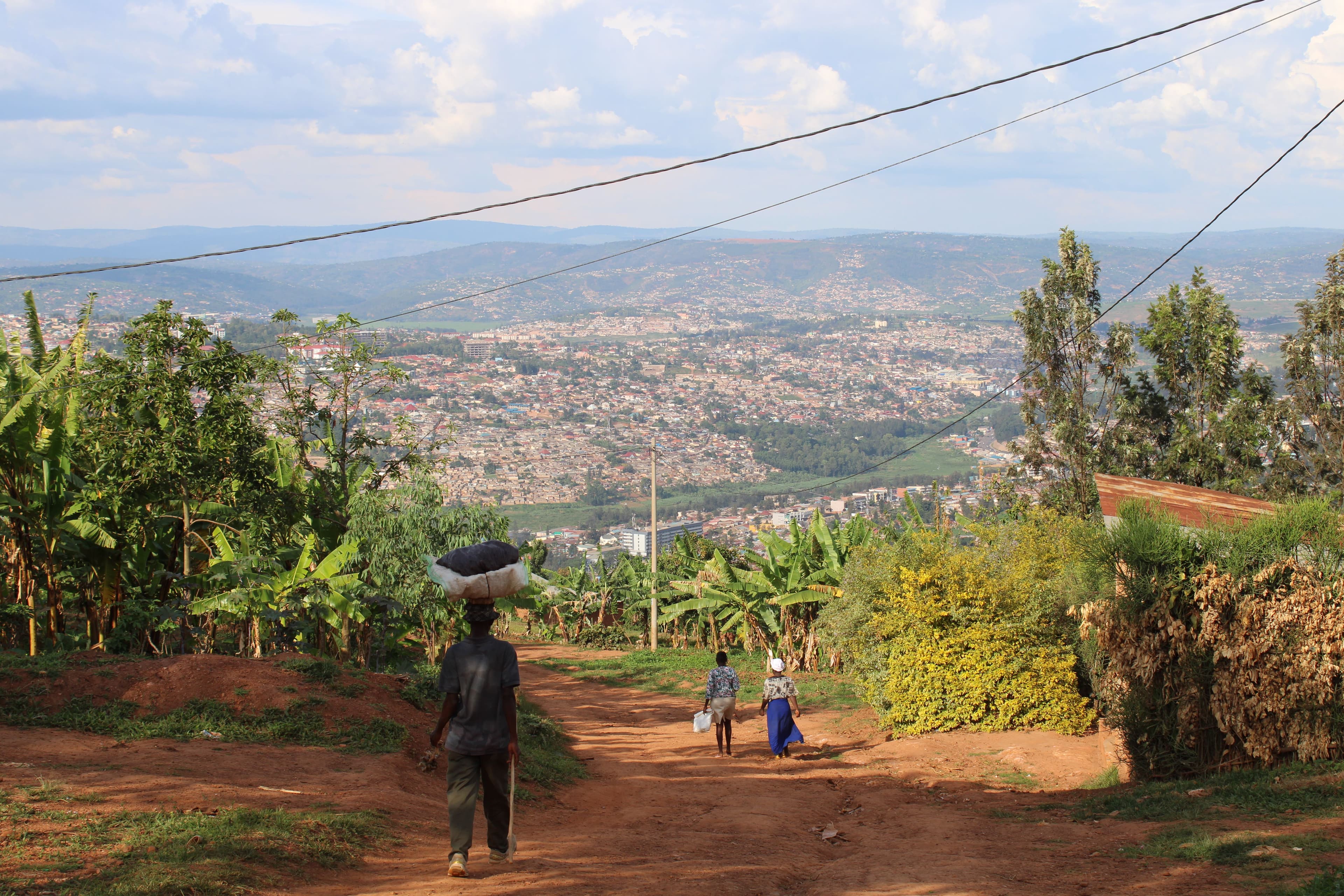
Your journey starts in Kigali, famously one of the cleanest and safest cities in Africa. Spend a day here visiting the Kigali Genocide Memorial—a sobering, essential experience to understand the country's tragic history and its miraculous modern recovery.
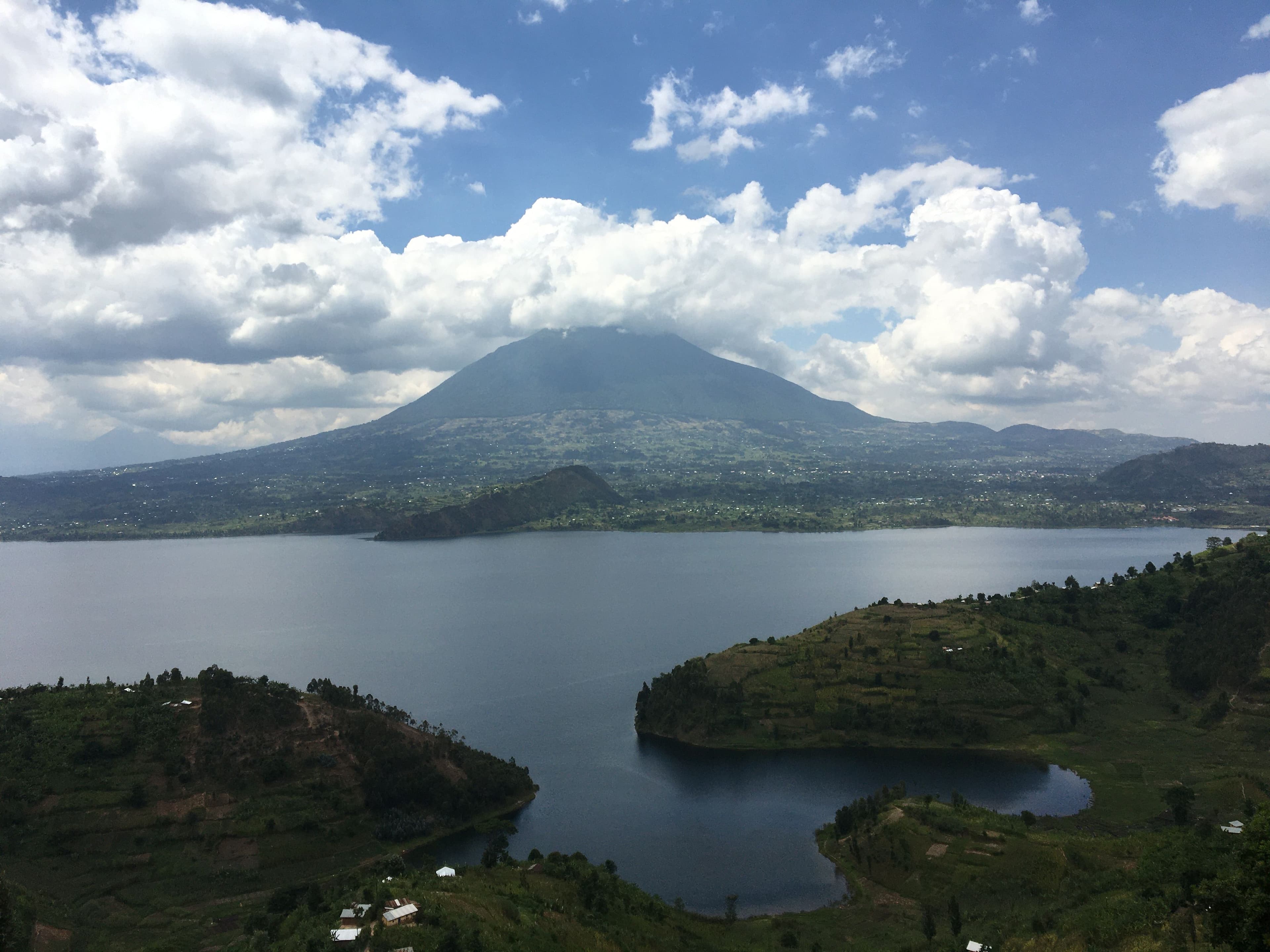
From Kigali, it is a smooth, winding 2.5-hour drive up into the Virunga Mountains to the town of Musanze, the basecamp for Volcanoes National Park. Rwanda is known as the "Land of a Thousand Hills," and this drive provides endless views of terraced farms and mist-covered volcanic peaks.
Hire a private driver or take a modern, safe VIP bus from the Nyabugogo taxi park in Kigali directly to Musanze.
Stay in one of the eco-lodges surrounding Volcanoes National Park. Many use their profits to fund local anti-poaching units.
2. The Gorilla Trek (Volcanoes National Park)
You must arrive at the park headquarters in Kinigi by 7:00 AM for the mandatory briefing. You will be assigned to a specific habituated gorilla family based on your fitness level (some families require a 30-minute hike; others take 4 hours of steep climbing).
Once you find the family, you are granted exactly one hour with them. The gorillas will play, eat, and sleep around you, largely ignoring your presence. Following the strict rules enforced by your rangers is essential to protect the gorillas from human diseases.
Your eco-lodge will arrange a morning transfer to the Kinigi headquarters. From there, you drive to the trailhead and hike into the mountains.
It is highly recommended to stay a couple of nights in Musanze to account for the early start time and physical exhaustion post-trek.
3. Lake Kivu (Gisenyi)
After the intense physical challenge of trekking through the steep, muddy jungles of Volcanoes National Park, journey west to the tranquil shores of Lake Kivu. Situated on the border of Rwanda and the Democratic Republic of the Congo, Kivu is one of Africa's Great Lakes, bordered by rolling green hills and sandy beaches.
Base yourself in the lakeside resort town of Gisenyi (Rubavu). Spend a peaceful afternoon sea kayaking in the calm, freshwater bay, cruising past local fishing villages. Watch the legendary "singing fishermen" paddle their traditional three-hulled wooden boats out into the lake at dusk, their rhythmic chants echoing across the water.
Located 110km west of Musanze. Hire a private vehicle or take a direct regional coaster bus via the scenic, winding road (roughly 2.5 hours).
Stay in a comfortable hotel in Gisenyi for relaxing beachfront dining and beautiful sunset vistas.
4. Nyungwe National Park (Canopy Walk & Chimpanzees)
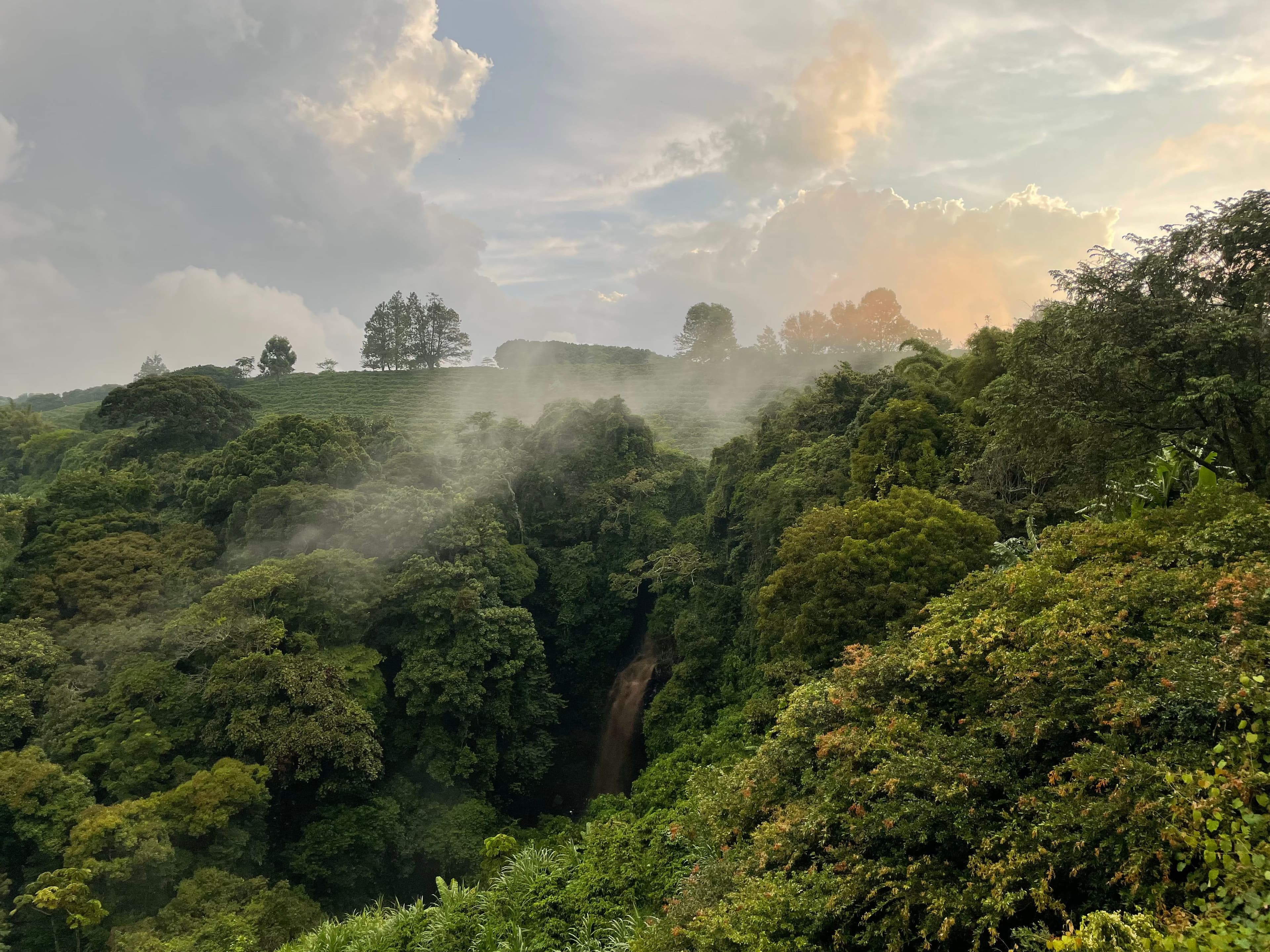
To fully experience Rwanda's diverse ecosystems, head south to Nyungwe National Park. This immense, ancient montane rainforest is one of the oldest in Africa, serving as a critical carbon sink and home to over 13 species of primates, including chimpanzees and massive troops of Ruwenzori colobus monkeys.
Embark on the spectacular Nyungwe Canopy Walk, traversing a 160-meter-long suspension bridge hanging 70 meters directly above the forest canopy, offering close views of birds and monkeys. Rise early the next day for a thrilling chimpanzee trekking experience, walking through the dense undergrowth to watch our closest relatives feed and socialize in the wild.
The Canopy Walk is accessed via the Igishigishigi Trail (2.4km roundtrip, roughly 2 hours). It is moderate but steep in parts; walking across the metal bridge requires a good head for heights.
Stay in an upscale forest lodge bordering Nyungwe for immersive jungle luxury and spectacular tea plantation views.
How Eco-Tourism Works in Rwanda
Gorilla trekking permits in Rwanda are expensive ($1,500 USD per person for one hour). This high price is entirely intentional and serves a vital conservation purpose:
- Revenue Sharing: 10% of all tourism revenue is injected directly into the communities surrounding the park, funding schools, hospitals, and clean water projects.
- Anti-Poaching: Former poachers are now employed as highly paid porters and trackers, incentivizing the protection of the animals over illegal hunting.
- Strict Guidelines: By limiting visitors to small groups for only one hour per day, the impact on the gorillas' natural behavior and stress levels is minimized.
- Hire a Porter: At the trailhead, hire a local porter (even if your bag is light). The $15-$20 fee provides direct, vital income to local families.
Rwanda proves that when tourism is managed responsibly, it can be the ultimate force for ecological preservation and community upliftment.
Looking for flights to Kigali and eco-lodges near Volcanoes National Park? Use the GoTripping search wizard to compare your options in one place.