GoTripping
GoTripping
Back to Travel Hub
Background
GoTripping
Back to Travel Hub
Vibes:AllCity BreaksBeachesAdventureBudgetActivities
eco-tourismSouth America🇨🇷Costa Rica

Costa Rica Osa

Author
GoTripping Editorial
Published
May 24, 2026
Reading Time
5 min
Costa Rica Osa

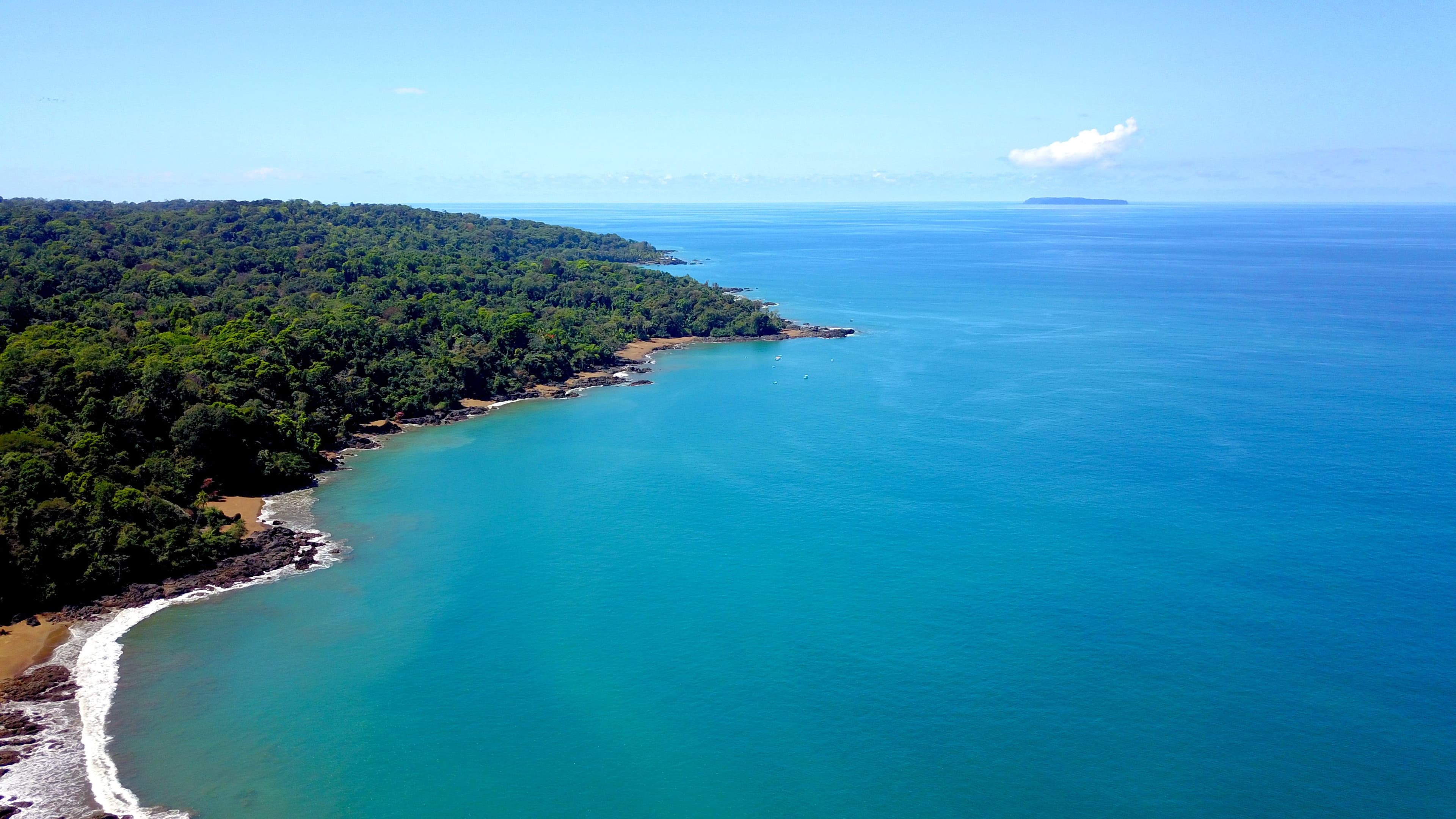
Costa Rica wrote the playbook on modern eco-tourism. While the north of the country (Arenal, Monteverde) is highly developed and commercialized, the remote, rugged Osa Peninsula in the deep south remains remarkably wild.

National Geographic famously described the Osa Peninsula as "the most biologically intense place on Earth." It is home to half of all species living in Costa Rica, including jaguars, tapirs, scarlet macaws, and all four Costa Rican monkey species. The eco-lodges here are truly off-grid, operating entirely on solar power and deeply committed to local conservation and community integration.
1. Puerto Jiménez & The Golfo Dulce

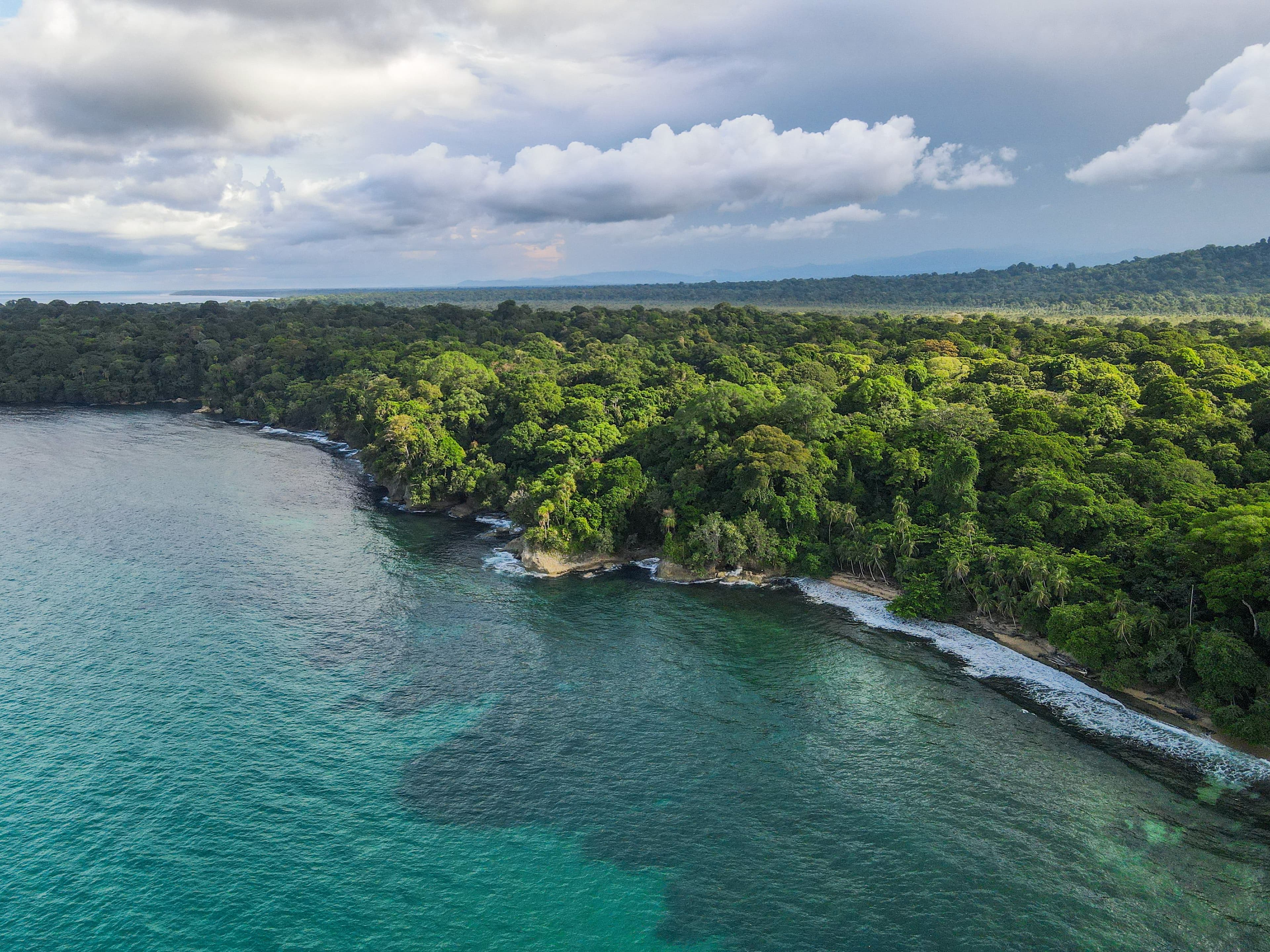
To get to the Osa, you will likely fly into the small, dusty outpost town of Puerto Jiménez. This is the gateway to the eastern side of the peninsula, bordering the calm, warm waters of the Golfo Dulce.

The Golfo Dulce is one of only four tropical fjords in the world. Spend a day kayaking through the sprawling mangrove forests or take a boat tour to spot resident pods of bottlenose and spotted dolphins. If you visit between August and October, this gulf serves as a crucial nursery for migrating Humpback whales traveling from both the Northern and Southern hemispheres.

Tourist Navigator

Puerto Jiménez

Coordinates: 8.5380, -83.3114

💡 Click destination name above to search flights
Open in Google Maps
How to Get There

Sansa operates 50-minute domestic flights from SJO directly to the tiny airstrip in Puerto Jiménez (PJM).

Sansa Domestic Flight
Places to Stay

Stay at an eco-lodge located south of Puerto Jiménez towards Cabo Matapalo, where the jungle meets the sea.

Find Eco-Lodges

2. Corcovado National Park

Corcovado National Park encompasses nearly a third of the peninsula. It is the crown jewel of Costa Rica's protected areas. Because there are no roads into the park, you must hike in or arrive by boat.

The most famous ranger station is Sirena Station, located deep in the heart of the park. You must book a guided tour; you cannot enter the park independently. Here, you will hike humid, muddy trails to spot Baird's tapirs sleeping in the mud, spider monkeys swinging overhead, and—if you are incredibly lucky—a puma or jaguar prowling through the primary rainforest.

Tourist Navigator

Sirena Ranger Station

Coordinates: 8.4786, -83.5936

💡 Click destination name above to search flights
Open in Google Maps
How to Get There

Accessed via a 1-hour boat ride from Drake Bay, or an arduous, sweaty 20-kilometer hike from the Carate / La Leona entrance.

Guided Boat / Hike
Places to Stay

If you do the overnight tour, you will sleep in basic bunk beds under mosquito nets directly at the ranger station.

3. Drake Bay (Bahía Drake)

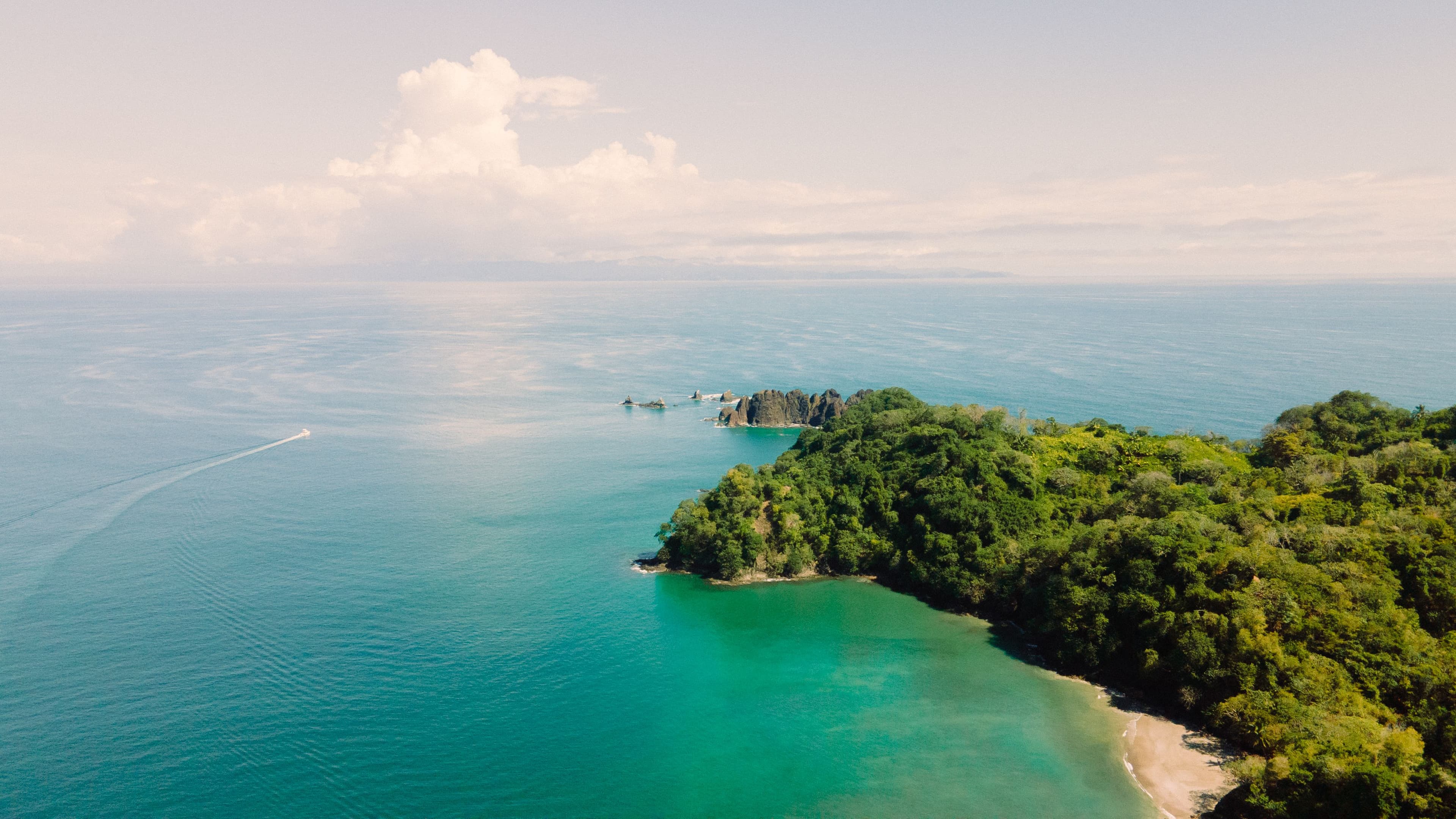
Situated on the northern coast of the Osa Peninsula, Drake Bay is a tranquil, eco-conscious haven offering a slower pace. Legend holds that the bay was a hiding spot for the treasures of Sir Francis Drake, but today its true riches lie in its pristine rainforest and crystal-clear ocean waters.

Drake Bay serves as the perfect launchpad for boat expeditions to Isla del Caño Biological Reserve, located 20km offshore. This protected marine sanctuary offers some of the best snorkeling and scuba diving in Costa Rica, where you can swim alongside white-tip reef sharks, massive manta rays, and sea turtles in highly clear waters.

Tourist Navigator

Drake Bay, Costa Rica

Coordinates: 8.6853, -83.6678

Open in Google Maps
How to Get There

Best reached by a scenic boat ride from the town of Sierpe down the Sierpe River through massive mangrove forests, or via a domestic flight to Drake Bay airstrip (DRK).

Sierpe Mangrove Boat DRK Airstrip
Places to Stay

Stay in an eco-lodge tucked into the canopy in Drake Bay for immersive nature sounds and stunning ocean sunrises.

4. Cabo Matapalo

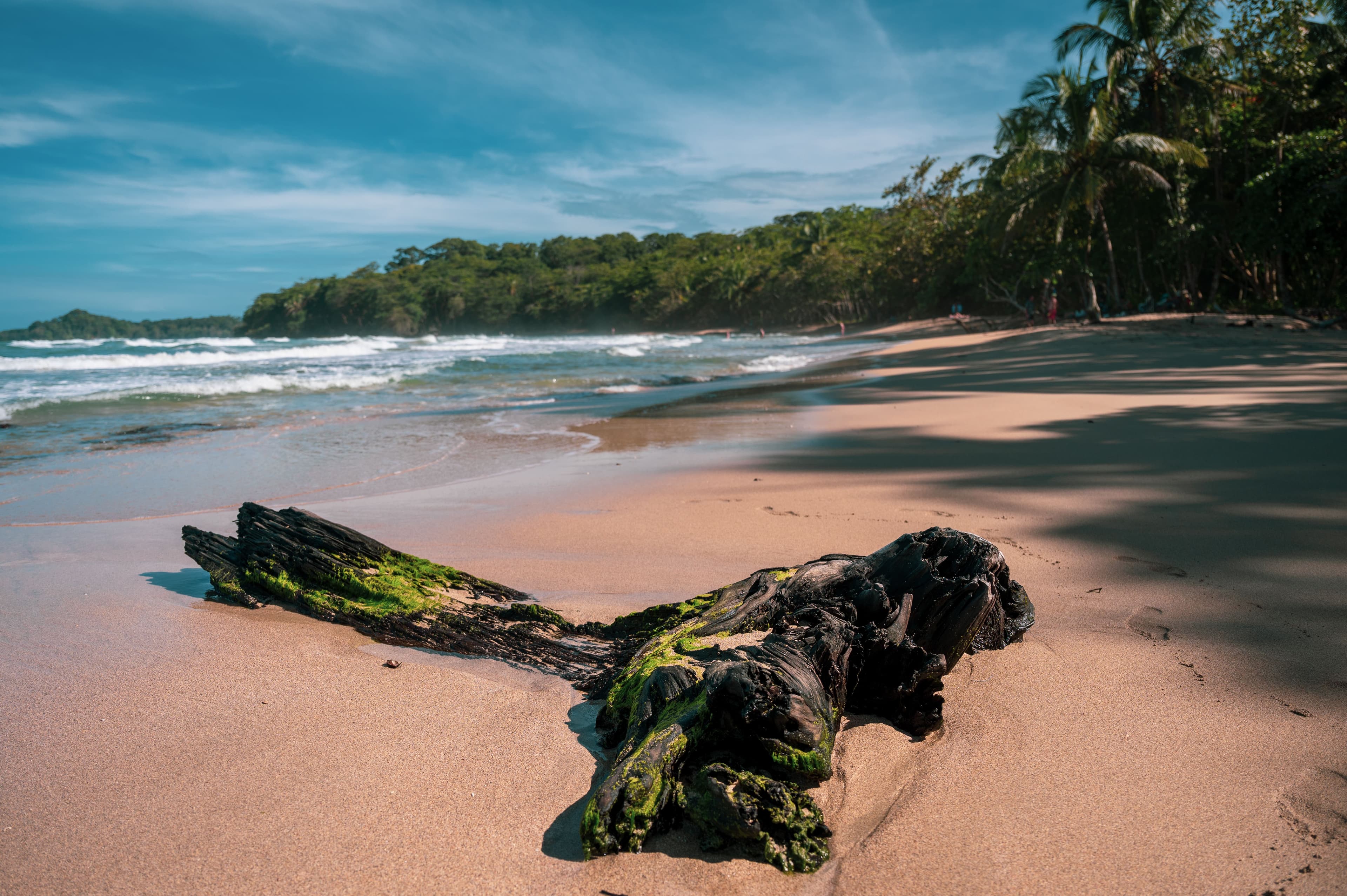
Situated at the southern tip of the Osa Peninsula, Cabo Matapalo is a raw, untouched wilderness paradise where the primary rainforest crashes directly into the roaring Pacific Ocean. It is a legendary spot for off-grid eco-lodges, surfing, and wildlife viewing.

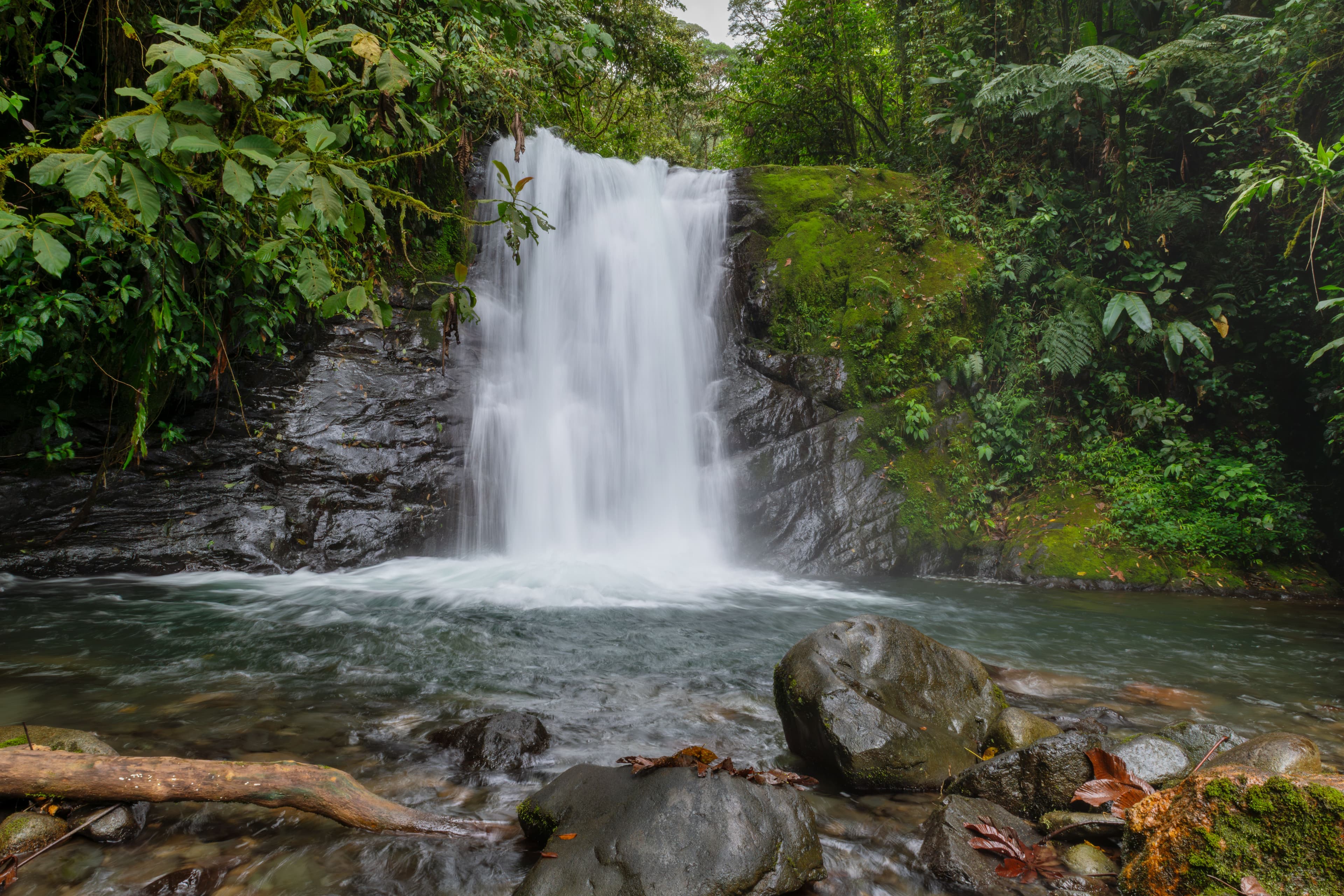
Matapalo is famous for its massive populations of monkeys and birds. Hike through the dense forest trails to pristine, hidden jungle waterfalls like King Louis, where you can scale the rock face or watch spider monkeys swing through the canopy. Walk along the rocky beaches to watch scarlet macaws feed in the beachside almond trees.

Tourist Navigator

Cabo Matapalo

Coordinates: 8.3810, -83.2920

Open in Google Maps
Trail Highlight

The King Louis Waterfall hike is a short but muddy 45-minute trek winding up a riverbed. Wear sturdy water shoes and be prepared for minor scrambling.

King Louis Waterfall Scarlet Macaws
Teahouse Hub

Stay in an off-grid, solar-powered eco-lodge in Cabo Matapalo for an immersive, zero-carbon wellness escape.

What Makes an Eco-Lodge Legitimate?

The term "eco" is often used purely for marketing. When booking a lodge on the Osa Peninsula, look for these markers of true sustainability:

  • Energy: Do they run on solar power or rely on diesel generators?
  • Staffing: Do they employ local Costa Ricans (Ticos) from the surrounding communities in management and guiding positions, rather than just international volunteers?
  • Food Sourcing: Is the food grown on-site or sourced from local farms?
  • No A/C: True eco-lodges in this region do not have air conditioning. Instead, they rely on open-air architectural designs and ceiling fans to catch the ocean breeze.

Visiting the Osa Peninsula is not cheap, and it is not a manicured resort experience. It is sweaty, muddy, and raw. But by spending your money here, you directly fund the preservation of one of the last great wildernesses in Central America.

Looking for flights to San José and eco-lodges on the Osa? Use the GoTripping search wizard to compare your options in one place.

Love this travel guide?

Share it with friends and start planning your next getaway together.

Recommended For You

Galapagos Conservation
eco-tourism

Galapagos Conservation

Travel responsibly to the Galápagos Islands. Swim with marine iguanas, walk alongside giant tortoises, and understand the massive conservation efforts protecting this fragile ecosystem.

Read Guide
Rwanda Gorilla Trekking
eco-tourism

Rwanda Gorilla Trekking

Trek into the mist of the Virunga Mountains. Come face-to-face with endangered mountain gorillas and see how high-value tourism is saving a species.

Read Guide
Rio De Janeiro City Break
city-breaks

Rio De Janeiro City Break

Experience the high-energy beauty of Rio de Janeiro. Visit Christ the Redeemer, Sugarloaf Mountain, and the world-famous Copacabana and Ipanema beaches.

Read Guide
Ready to go?

Start planning your next getaway today.

Book Your TripBest Time to GoFind Hotels
© 2026 GoTripping
FlightsStaysAboutPrivacyTerms