slow-travelAsia

Kyoto-to-Tokyo Historic Highway

GoTripping Editorial
May 24, 2026
Kyoto-to-Tokyo Historic Highway

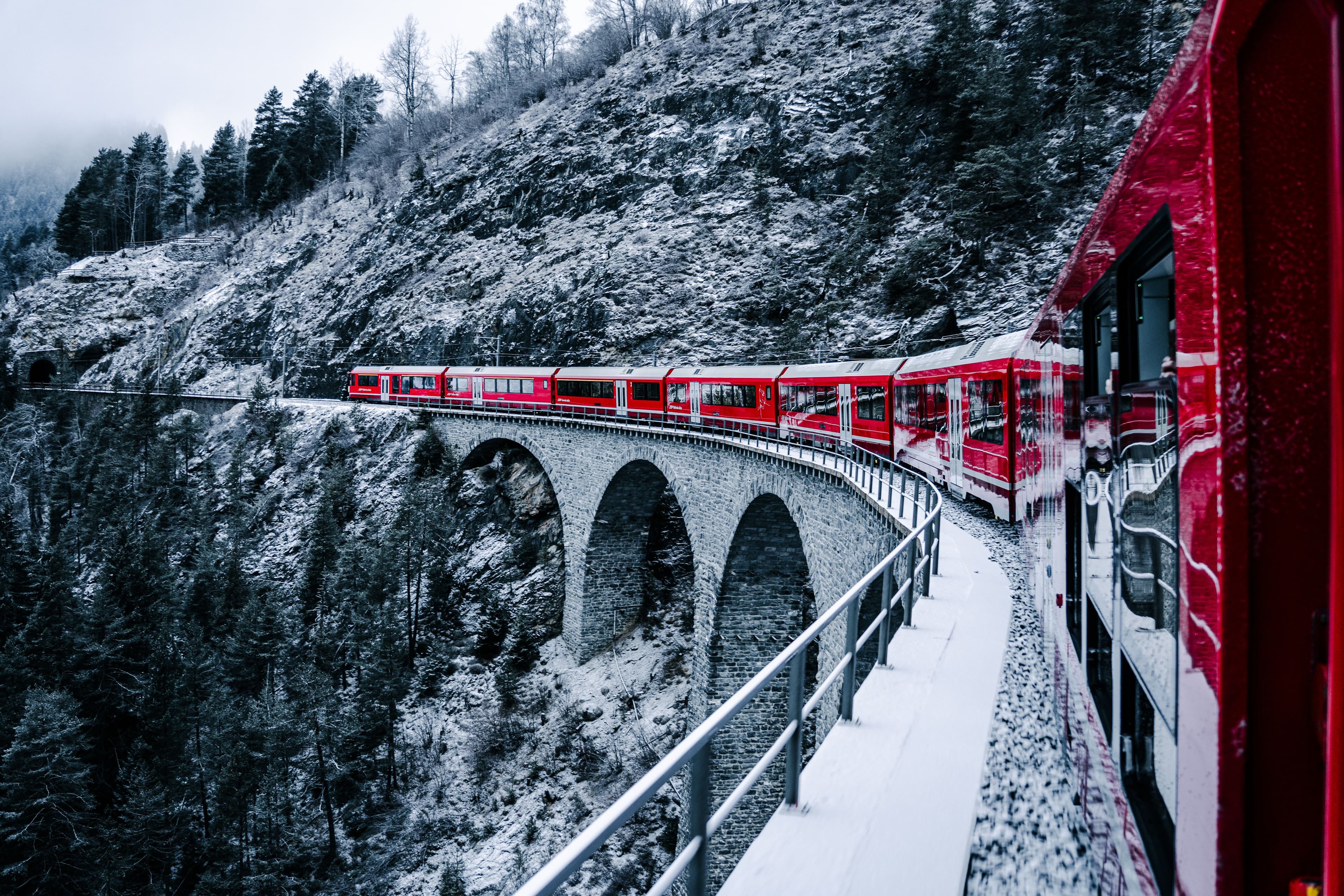
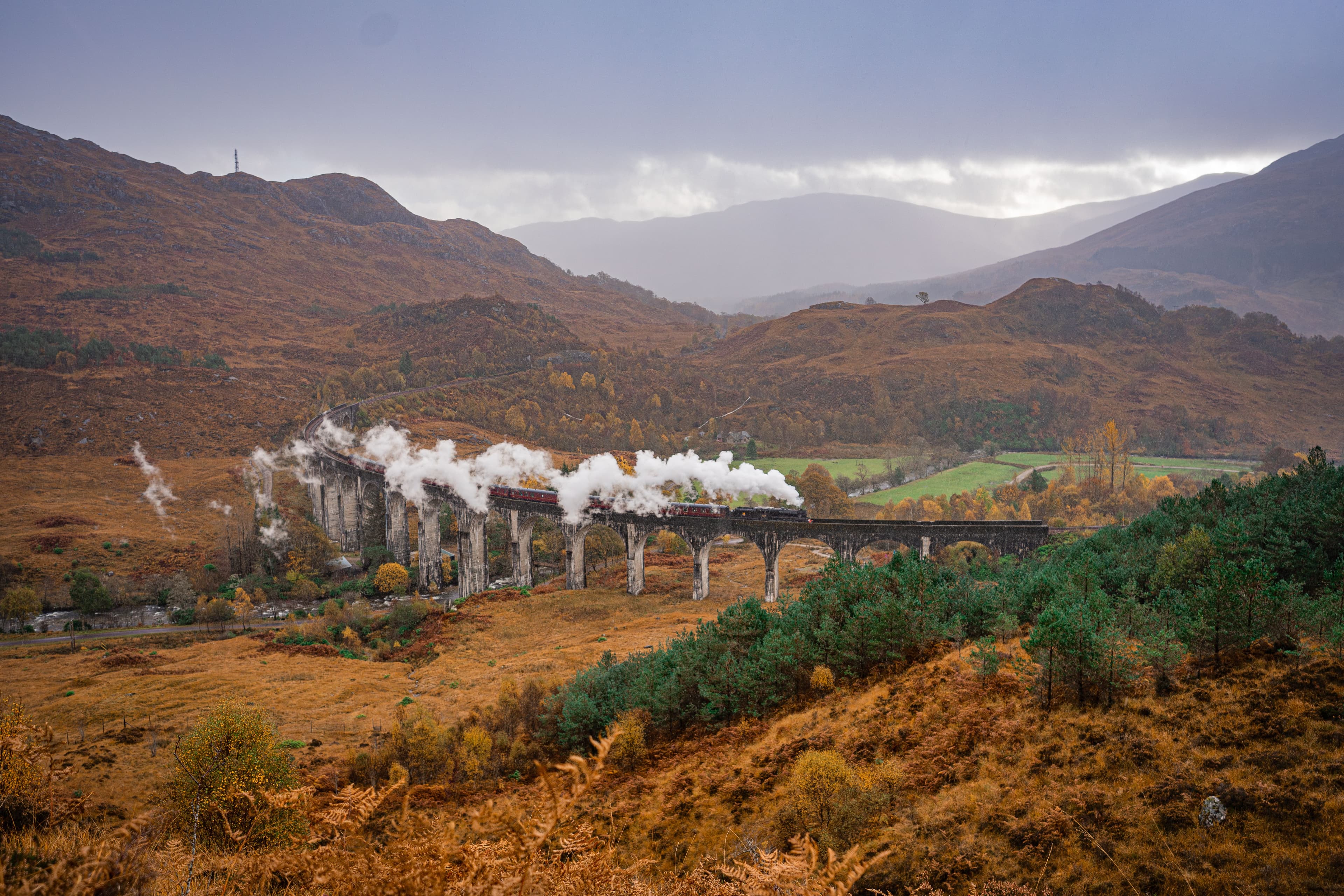
While the ultra-fast Shinkansen bullet trains whisks passengers between Japan's two greatest cities in just over two hours, they fly past the true historic and cultural soul of the country. By choosing a slow travel approach along the legendary Tokaido Highway via local and regional JR commuter trains, you step off the high-speed track and onto a historic trail traveled by shoguns, samurai, and woodblock print artists for centuries. This scenic rail odyssey allows you to explore hidden coastal castles, quiet volcanic hot springs, and endless green tea plantations that most tourists only see as a green blur from a bullet train window.

To experience the true, unhurried essence of Honshu island on your trip, you must balance exploring ancient temples with rewarding off-the-beaten-path stays. This curated Japanese slow rail itinerary begins in the imperial sanctuary of Kyoto, winds through the lush tea-growing hills and coastal viewpoints of Shizuoka, and culminates at the busy, historic brick gates of Tokyo Station. Each stop combines rich cultural heritage with local neighborhoods and direct rail transport, complete with precise coordinates, transit details, and hotel search links.
1. Kyoto, Japan

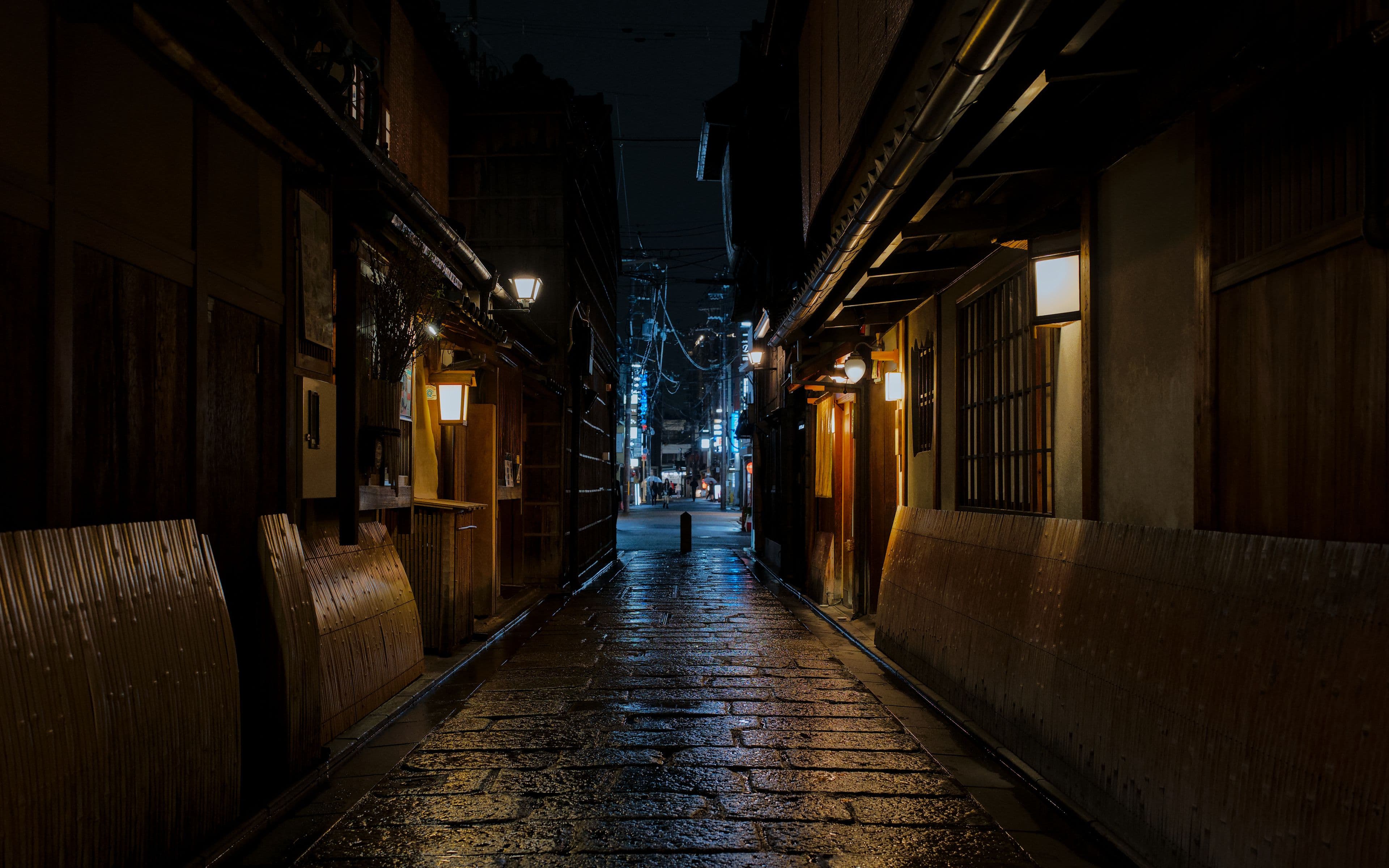
Traditional Japanese wooden pagoda rising above historic tiled roofs at sunset

Kyoto is a spectacular, culturally rich sanctuary that served as Japan's imperial capital for over a millennium. Packed with more than 1,600 historic Buddhist temples, 400 Shinto shrines, and dozens of beautifully preserved wooden neighborhoods, this ancient city represents the absolute cultural heart of Japan. Because it was largely spared from the destruction of World War II, walking through Kyoto feels like stepping directly into a living museum of traditional Japanese architecture, Zen gardens, and tea ceremony heritage.

Begin your slow discovery by visiting the famous Kiyomizu-dera Temple, a striking wooden structure built in 798 without using a single nail, offering panoramic views of the city from its massive wooden veranda. Stroll through the narrow, lantern-lit streets of the historic Gion district, watching for elegant geishas heading to traditional wooden teahouses. In the afternoon, take a quiet walk through the soaring green stalks of the Arashiyama Bamboo Grove, listening to the soothing rustle of the wind blowing through the towering stalks.

Tourist Navigator

Kyoto, Japan

Coordinates: 34.9858, 135.7588

Open in Google Maps
How to Get There

Located in western Japan. Board the JR Kansai Airport Express (Haruka) directly from KIX terminal, arriving at the architectural marvel of Kyoto Station in about 75 minutes.

JR Haruka Express Kansai Rail Link
Places to Stay

Stay inside central Shimogyo Ward for modern hotels near Kyoto Station, historic Gion for traditional ryokan inns and wooden houses, or central Nakagyo Ward for boutique designer apartments near Nijo Castle.

Find Hotels

2. Shizuoka, Japan

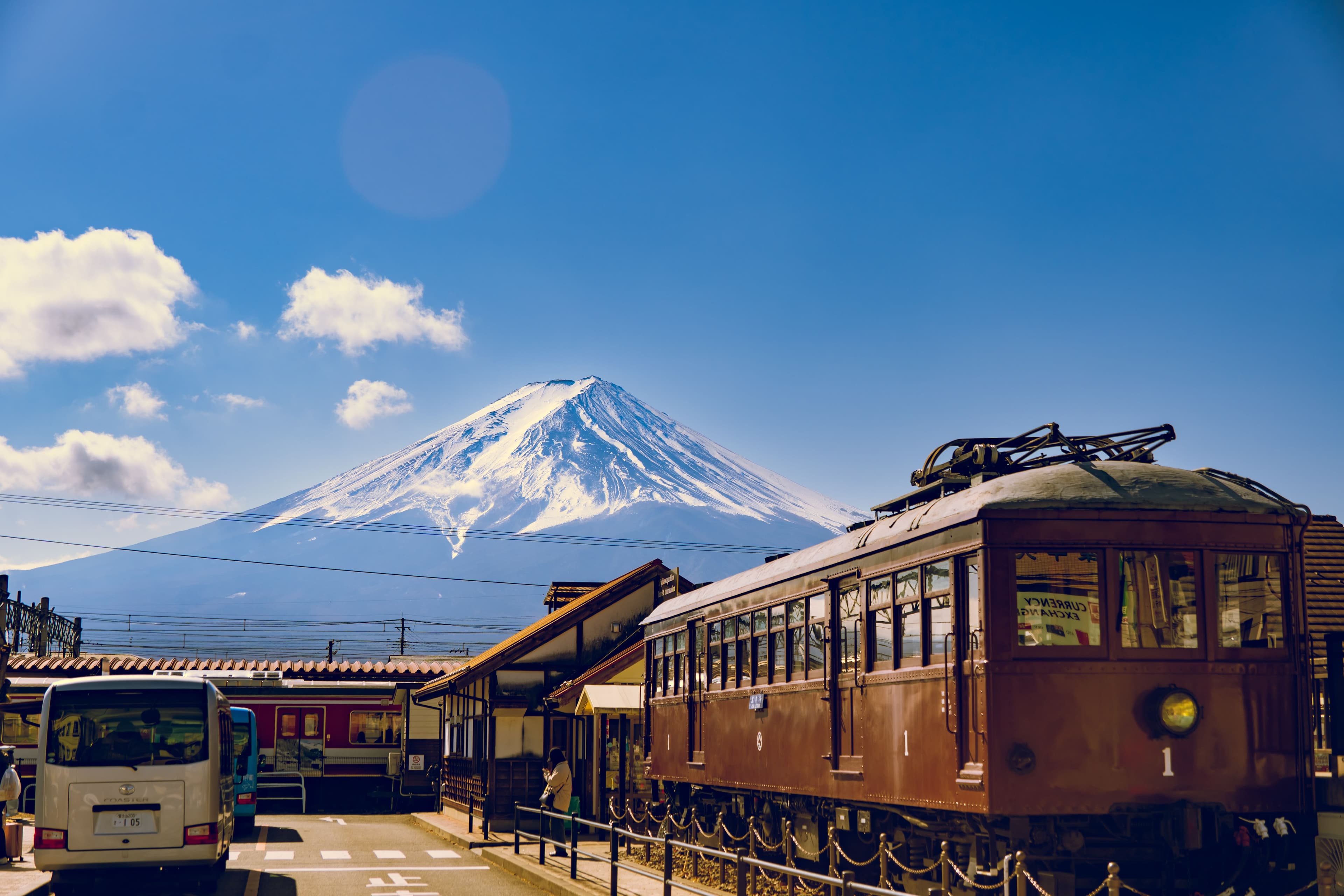
Vast emerald green rolling hills of a tea plantation framing a snow capped Mount Fuji

Shizuoka is a spectacular, coastal city situated at the center of Japan's major green tea-growing region, nestled between the towering Southern Alps and the deep blue waters of Suruga Bay. Producing more than 40 percent of Japan's premium tea leaves, this scenic agricultural community offers some of the country's most spectacular, unobstructed vistas of Mount Fuji towering above emerald-green tea plantations. Because it is bypassed by many international tourists who hurry past on the bullet train, Shizuoka retains a warm, relaxed coastal atmosphere.

Explore the terraced, green fields of Nihondaira Plateau, boarding the scenic ropeway that glides across a steep, pine-clad valley directly to the historic Kunozan Toshogu Shrine, the magnificent burial sanctuary of the great shogun Tokugawa Ieyasu. Wander along the volcanic, black-pebble sands of Miho no Matsubara Pine Grove, photographing the ancient pine trees framing a breathtaking, snow-capped Mount Fuji. In the evening, sample fresh sakura shrimp (small, sweet local delicacies) and delicious, dark-broth Shizuoka Oden inside a cozy street alley tavern.

Tourist Navigator

Shizuoka, Japan

Coordinates: 34.9715, 138.3892

Open in Google Maps
How to Get There

Located 240km east of Kyoto. Ride local JR Tokaido line trains heading east via Maibara, Nagoya, and Hamamatsu straight into Shizuoka station (approx. 3.5 hours travel time).

JR Tokaido Line Local Rapid Rail
Places to Stay

Stay inside central Aoi Ward for convenient city hotels near Shizuoka Station, coastal Shimizu for fresh seafood harbor lodges and Fuji views, or highland Nihondaira for premium resorts amidst lush tea plantations.

Find Hotels

3. Tokyo, Japan

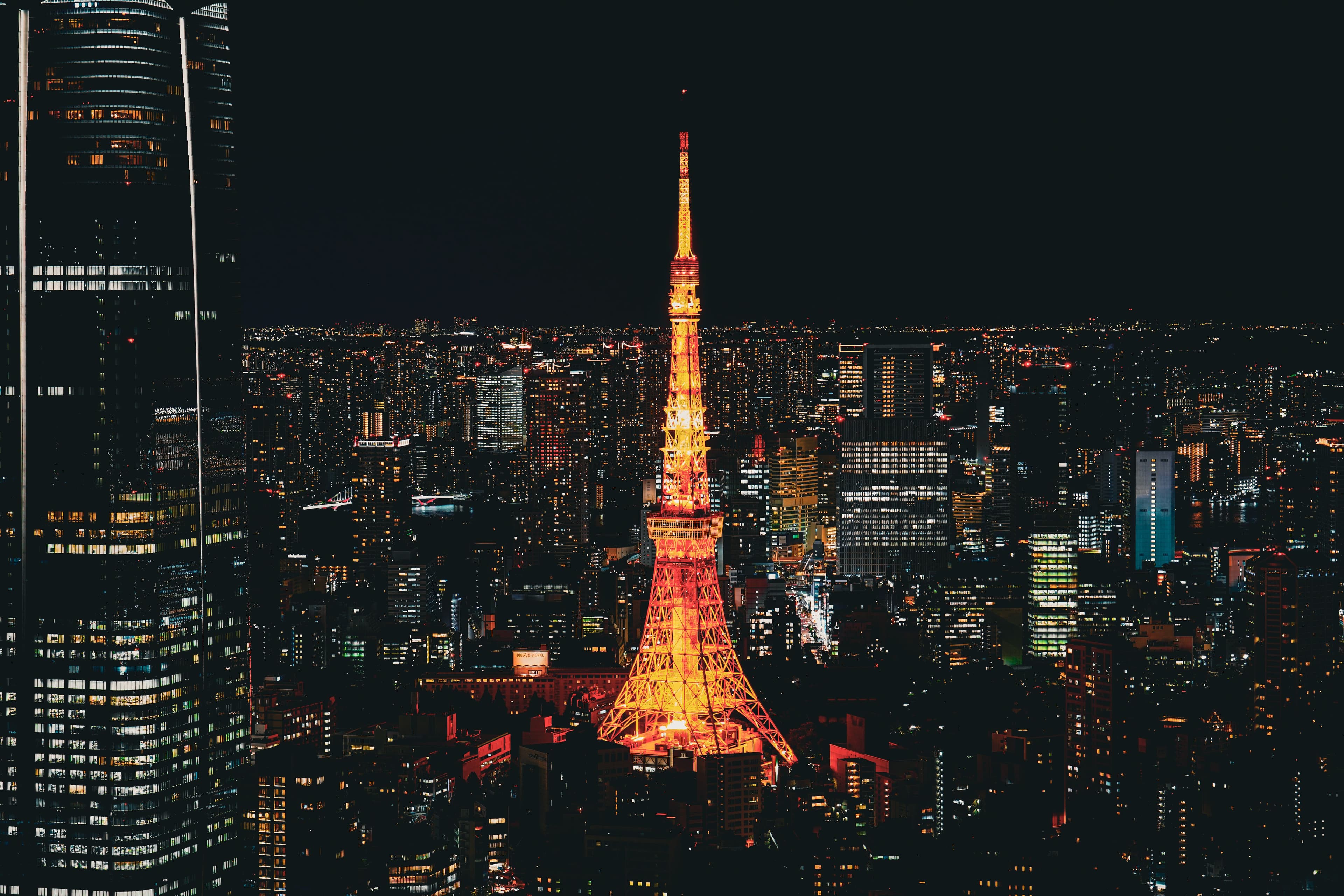
Ultra modern skyscrapers and busy neon lit streets flanking historic brick Tokyo Station

Tokyo is a spectacular, high-energy metropolis that represents the ultimate fusion of cutting-edge technology and ancient, deeply rooted cultural traditions. As the world's most populous megacity, it presents an overwhelming, dazzling forest of neon-lit skyscrapers, quiet moss-covered shrine forests, and unparalleled gastronomic diversity. At the heart of this urban forest stands the majestic, red-brick facade of Tokyo Station, a beautifully preserved landmark originally built in 1914 that has served as the historic gateway to the capital for generations.

Explore the tranquil, expansive grounds of the adjacent Imperial Palace East Gardens, strolling past massive stone castle walls and quiet koi ponds. Wander through the historic shopping streets of Nihonbashi, pausing to explore centuries-old shops specializing in traditional washi paper and artisanal kitchen knives. In the evening, visit the vibrant, high-end shopping district of Ginza, dining on world-class sushi before watching a spectacular Kabuki theatrical performance inside a historic theater.

Tourist Navigator

Tokyo, Japan

Coordinates: 35.6812, 139.7671

Open in Google Maps
How to Get There

Located 180km northeast of Shizuoka. Board the JR Tokaido main line trains heading east, passing through Atami, Odawara, and Yokohama, arriving at Tokyo Station in under 3 hours.

JR Tokaido East Tokyo Station Rail
Places to Stay

Stay inside central Marunouchi for grand high-end hotels near the station, adjacent Ginza for boutique designer lodgings and premium dining, or nearby Nihonbashi for classic merchant district charm and peaceful inns.

Find Hotels

Planning Your Slow Travel Trip

To ensure an absolutely seamless, affordable, and culturally rewarding slow rail journey along Japan's historic Tokaido highway, keep these essential practical tips in mind:

  • Utilize the Seishun 18 Ticket (When Active): If traveling during school holiday periods, purchase the legendary Seishun 18 Ticket. This seasonal pass offers five days of unlimited nationwide travel on local and rapid JR trains for an incredibly low flat rate, making slow travel exceptionally budget-friendly.
  • Learn the Art of the Ekiben: One of Japan's finest culinary traditions is the Ekiben (station bento box). Before boarding any regional train, explore the platform kiosk to purchase a local bento box containing specialty regional delicacies designed to be eaten slowly at your window seat.
  • Ship Heavy Luggage Ahead: Traditional Japanese commuter trains have limited overhead rack space compared to bullet trains. To enjoy a stress-free slow travel journey, use the highly reliable, next-day luggage forwarding services (Takuhaibin) to ship large suitcases directly between Kyoto and Tokyo.

The beautiful green hills and coastal bays of historic Japan move to a calm, timeless, and unhurried rhythm. Slow down your pace, watch the scenic coastline drift past, and let the quiet charm of regional stations fill your traveler's soul.


Looking for flights, hotels, and routes across all three destinations? Use the GoTripping search wizard to compare your options in one place.

Ready to go?

Start planning your next getaway today.