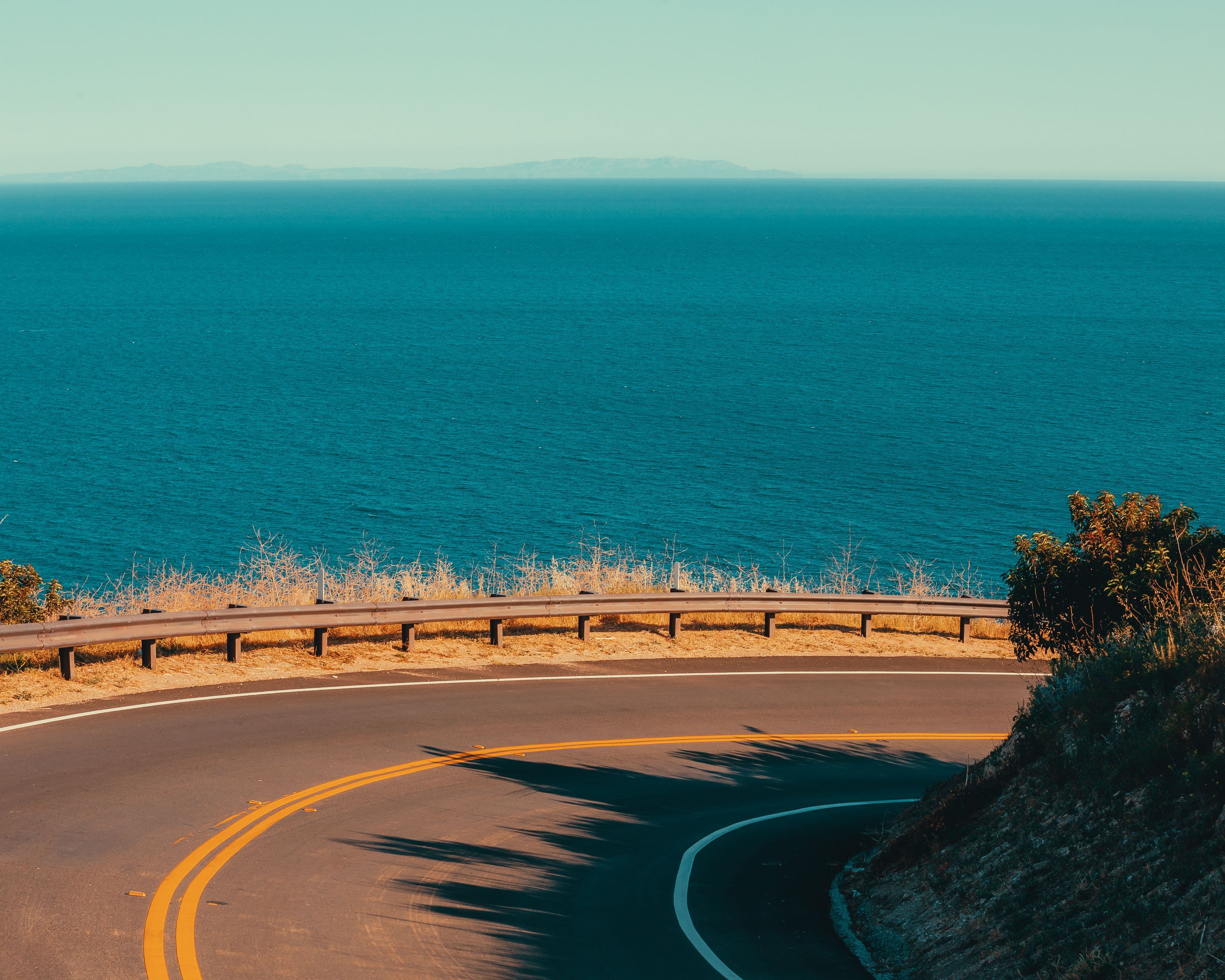
Australia’s Great Ocean Road is a spectacular, 151-mile heritage highway winding along the wild, wind-swept southern coast of Victoria. Built by returned soldiers between 1919 and 1932 as the world's largest war memorial, this historic asphalt strip clings to rugged cliffs overlooking the stormy Southern Ocean, passing through world-famous surf breaks, dense temperate rainforests filled with wild koalas, and dramatic limestone sea stacks.
To experience the true wild spirit of this Australian odyssey on your trip, you must balance iconic surf culture and active forest walks with dramatic clifftop views and close-up wildlife encounters. This curated Great Ocean Road itinerary takes you west from Melbourne, guiding you through three of the highway's most jaw-dropping stops, complete with precise coordinates, road transit details, and hotel search links.
1. Lorne & Torquay, Australia
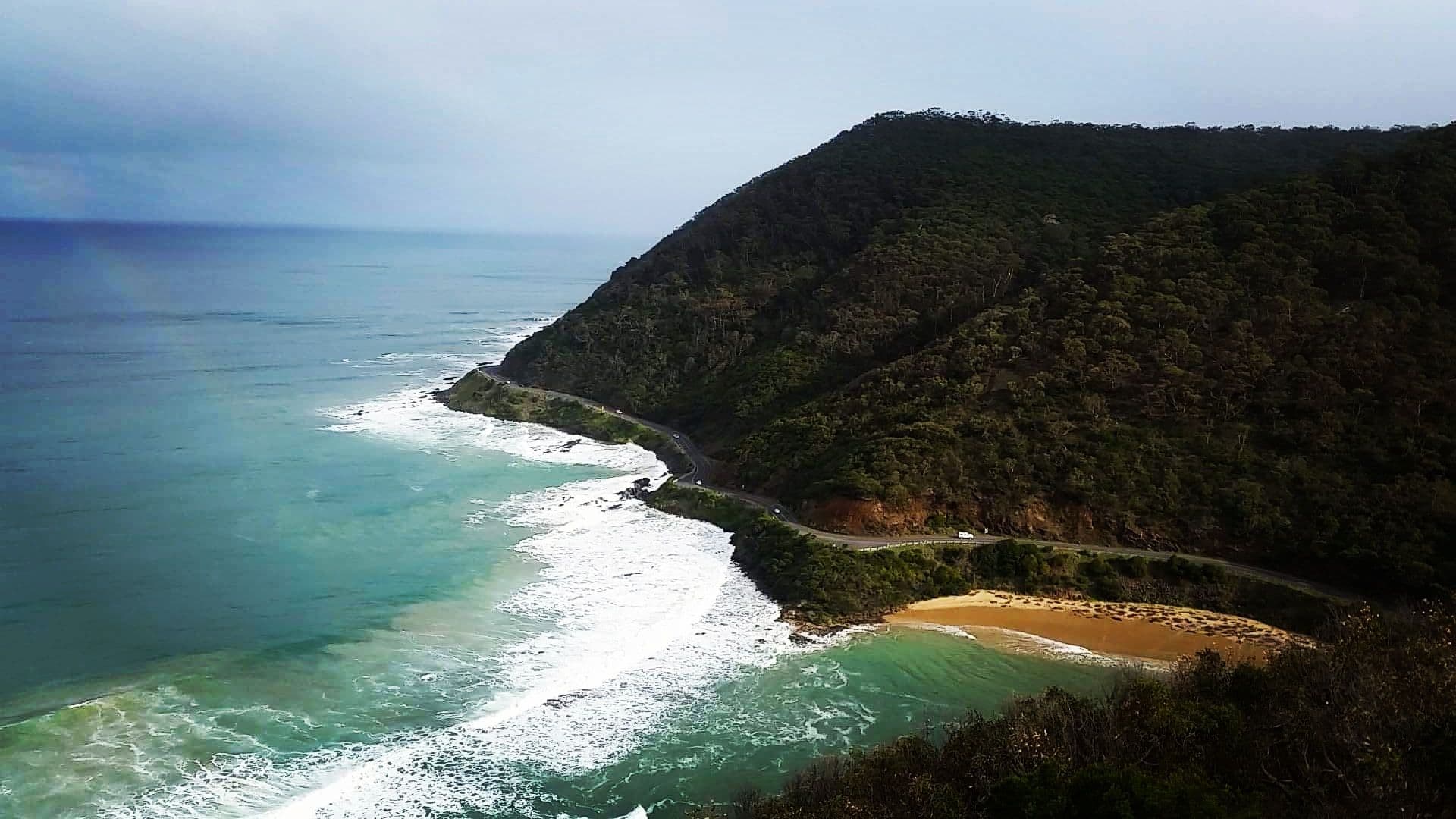
Torquay and Lorne form the spectacular eastern gateway to the Great Ocean Road. Torquay is the absolute capital of Australian surf culture, home to legendary surf brands and the world-famous Bells Beach surf break, while Lorne is a chic, cosmopolitan coastal resort village nestled between the steep, forested slopes of the Otway Ranges and the blue ocean.
Watch world-class surfers tackle massive Southern Ocean swells at the historic Bells Beach, or walk through the surf museums in Torquay. Drive the scenic coastal winding loops to Lorne, stopping to walk the lush fern-lined trail to Erskine Falls in the Otway forest. In the afternoon, enjoy local seafood at the historic Lorne Pier, or relax with a craft beer on a street-side café terrace overlooking Louttit Bay.
Located 140km southwest of MEL Airport. Rent a car at MEL, driving southwest along the M1 highway to Torquay, then continue down the winding coastal B100 highway straight to Lorne in 2 hours.
Stay inside chic Lorne for boutique coastal beach hotels like Cumberland Lorne, or adjacent Torquay for comfortable surf lodges.
2. Apollo Bay, Australia
Apollo Bay is a charming, sleepy coastal fishing village positioned at the base of the massive Otway Ranges. Famed as the agricultural and forestry center of the road, it is surrounded by lush green dairy farms, massive temperate rainforests filled with giant eucalyptus trees, and coastal bays home to local fishing fleets.
Wander down the quiet roads of the Kennett River to spot dozens of wild koalas resting in the branches of eucalyptus trees. Take a guided walking tour through Great Otway National Park, exploring the towering, prehistoric tree ferns of Maits Rest. In the afternoon, purchase fresh southern rock lobster directly from the local fishing cooperative at the harbor.
Located 45km west of Lorne. Drive west down the coastal B100 highway (50 minutes drive) straight to Apollo Bay, passing dramatic clifftop curves and ocean lookouts.
Stay inside Apollo Bay for comfortable waterfront harbor hotels, or adjacent Kennett River for cozy bush cabins.
3. Port Campbell & Twelve Apostles, Australia
Port Campbell and the Twelve Apostles represent the dramatic, world-famous grand finale of the Great Ocean Road. Positioned along the rugged Shipwreck Coast, this dramatic region is characterized by monumental limestone sea stacks rising 150 feet out of the crashing Southern Ocean, steep cliffs, and deep coastal gorges.
Walk along the clifftop boardwalks at sunset to witness the spectacular silhouette of the Twelve Apostles sea stacks glowing orange in the surf. Descend the historic Gibson Steps to stand on the beach, looking up at the towering cliffs. Explore Loch Ard Gorge, the dramatic, narrow-mouthed bay where a famous passenger clipper shipwrecked in 1878, leaving only two survivors.
Located 95km west of Apollo Bay. Continue west down the B100 highway through the Otway forest and onto the clifftops (75 minutes drive) directly to the Twelve Apostles Visitor Center.
Stay inside Port Campbell for cozy coastal harbor motels and cabins, or adjacent Princetown for quiet riverfront country campsites.
Planning Your Road Trips Trip
To ensure an absolutely perfect and safe Southern Australian coastal road trip, keep these essential practical tips in mind:
- Strictly Drive on the Left-Hand Side: In Australia, you must drive strictly on the left-hand side of the road. For international drivers, this requires constant, active concentration, particularly when turning at intersections or navigating empty roundabouts. Take your time, focus strictly, and follow the flow of traffic.
- Avoid Driving at Dawn, Dusk, and Night: Victoria’s southern coast is home to massive populations of wild kangaroos, wallabies, and wombats that become highly active near roads during twilight hours. Collisions can cause severe vehicle damage and injuries. Avoid driving at night, and always stay extremely alert during dawn and dusk.
- strictly Respect the Ocean Beach Safety: The Southern Ocean has incredibly powerful, freezing currents and massive waves. When descending beaches like Gibson Steps or Loch Ard Gorge, strictly stay away from the waterline wet sand, respect all active warning signs, and never swim in un-patrolled, open ocean areas.
The southern coast of Australia moves to a raw, sun-kissed ocean rhythm. Feel the fresh sea spray, spot the wild koalas in the trees, and let the magnificent limestone towers of the Apostles inspire your ultimate coastal journey.
Looking for flights, hotels, and routes across all three destinations? Use the GoTripping search wizard to compare your options in one place.