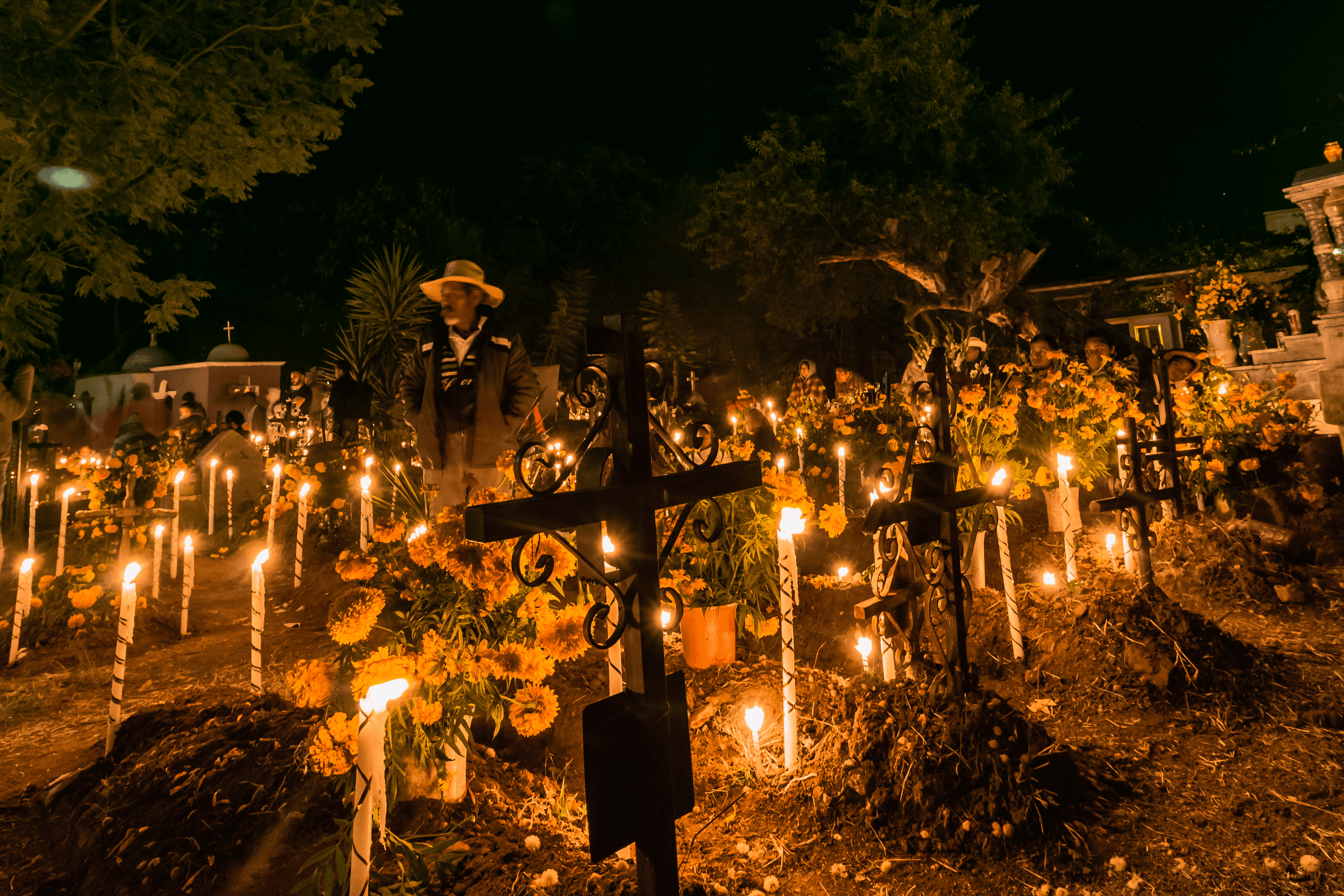
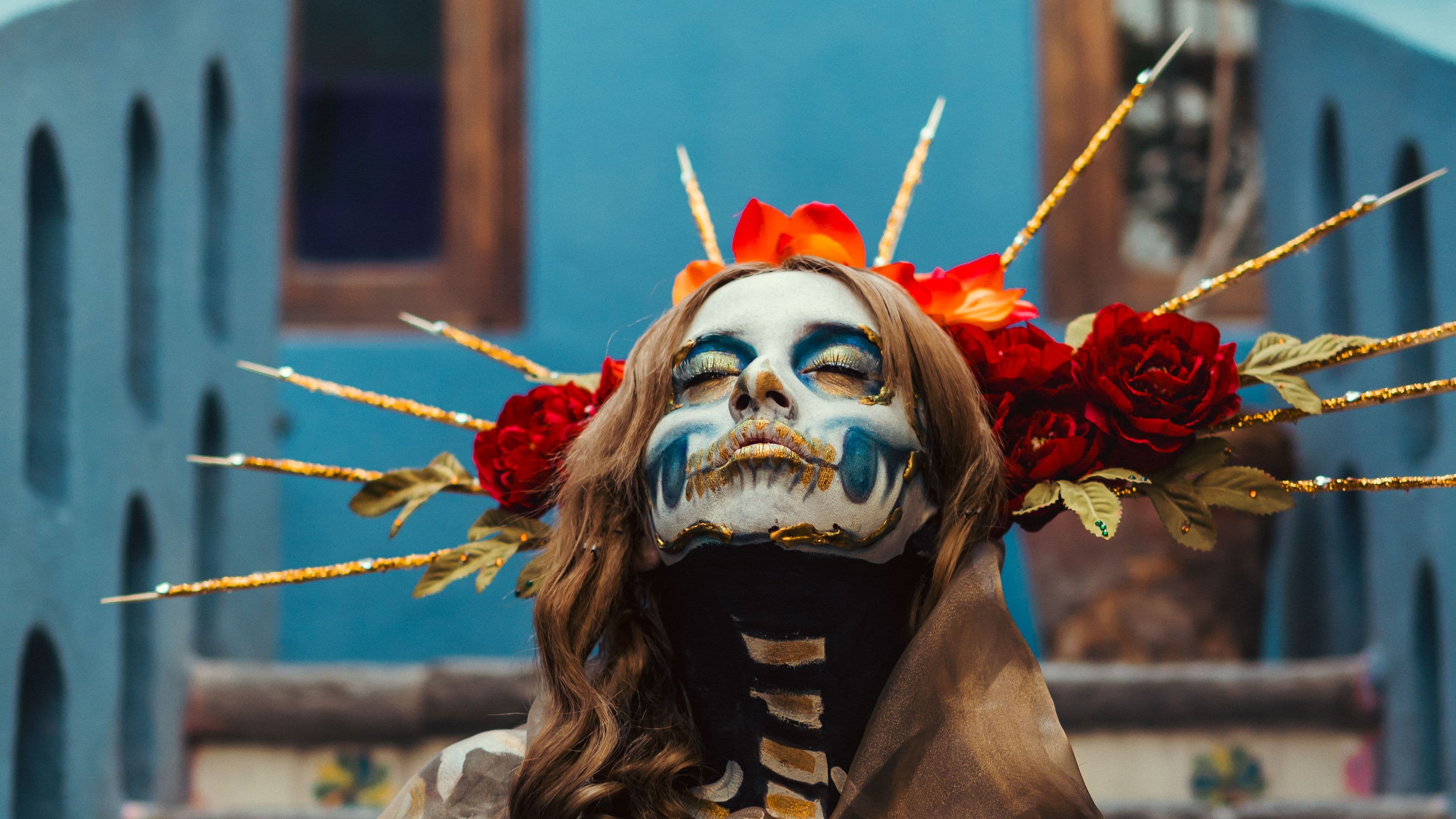
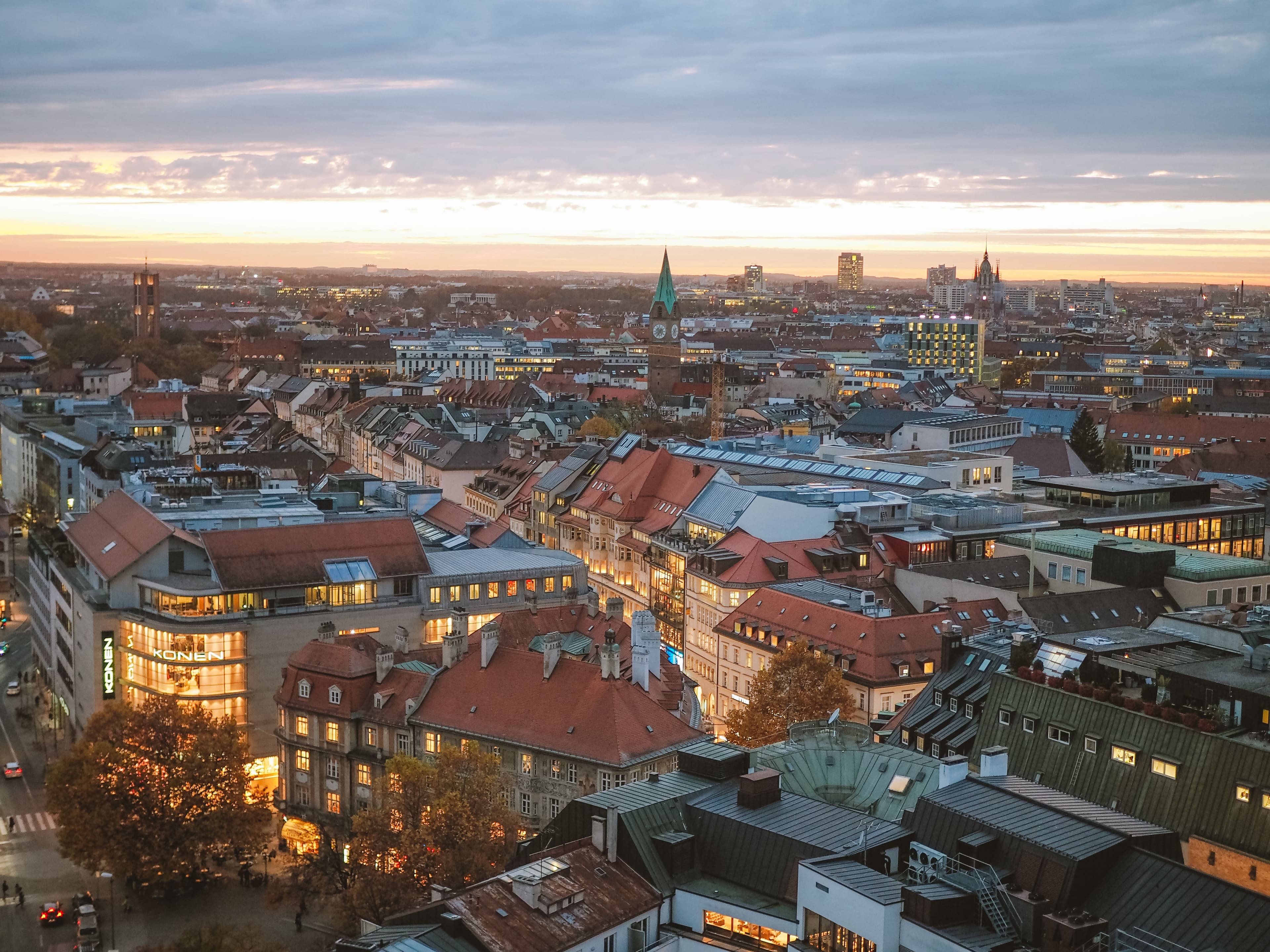
Oaxaca’s Day of the Dead (Día de los Muertos) is an extraordinarily beautiful, deeply spiritual, and vibrant celebration of life and memory. Far from a somber or spooky event, this ancient Zapotec-influenced Mexican holiday is a joyful reunion where the living welcome the souls of their departed loved ones back to the mortal world. The air in Oaxaca is filled with the sweet, honeyed scent of blooming marigolds (cempasúchil), burning copal incense, and rich, spiced local chocolate.
To experience the authentic spirit of this celebration on your trip, you must balance quiet, candlelit cemetery visits with the energetic street parades (comparsas) and bustling municipal markets. This curated guide leads you through Oaxaca's most sacred and beautiful Day of the Dead locations, complete with precise coordinates, safe transit instructions, and hotel search links to keep your cultural trip perfectly organized.
1. Panteón San Miguel & Centro Historico, Mexico
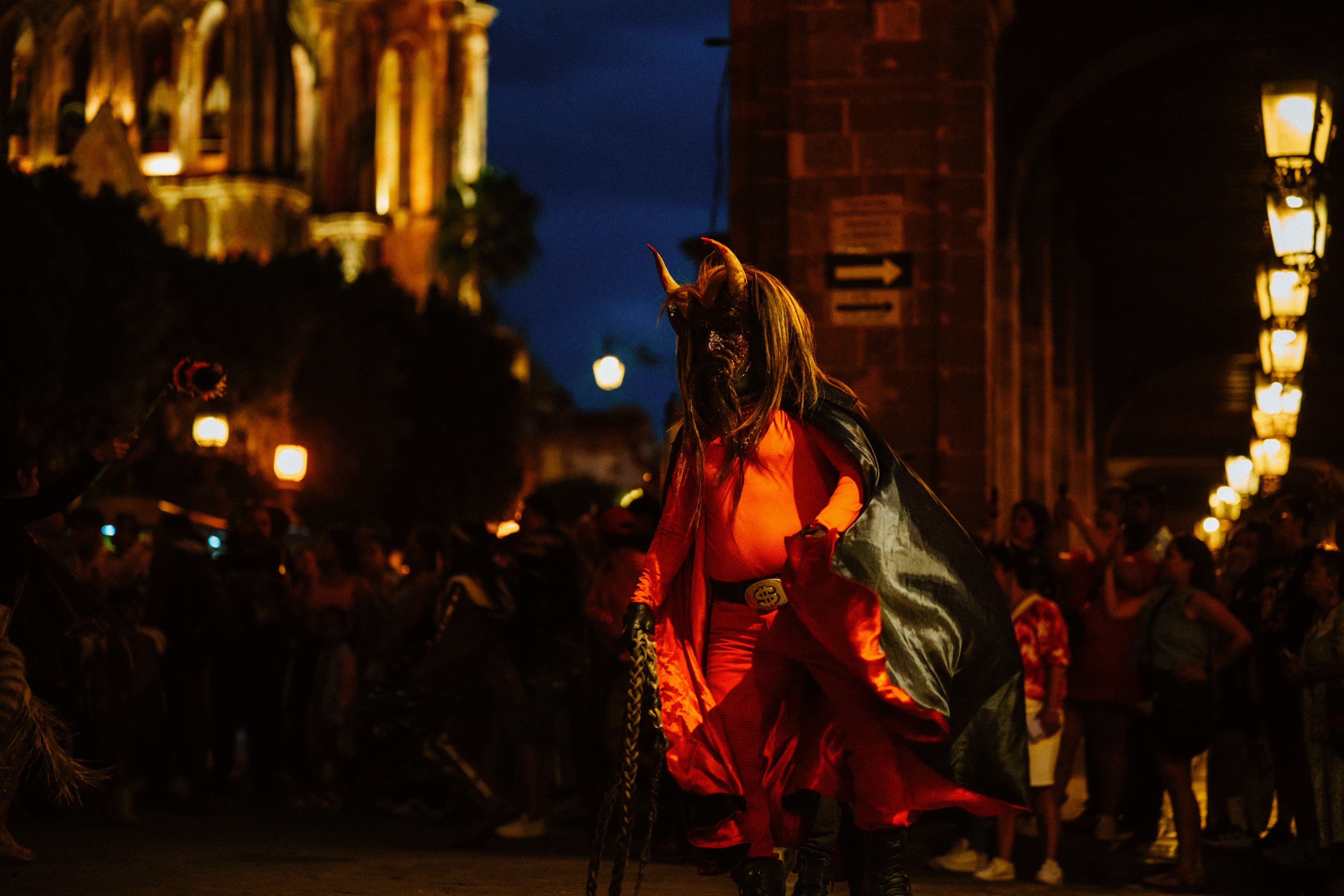
Oaxaca’s historic center is a UNESCO World Heritage site filled with colonial-era sandstone churches, beautiful cobblestone streets, and grand municipal squares. During Día de los Muertos, the entire district is transformed into a spectacular visual showcase. Intricate sand tapestries (tapetes de arena) are laid out along the pedestrian walkways, while historic buildings are adorned with massive floral installations and colorful paper decorations (papel picado).
Begin your cultural journey by walking the pedestrian-only Andador Turístico, admiring the vibrant altars (ofrendas) set up in shop windows and local galleries. Visit the historic Panteón San Miguel (General Cemetery) in the evening, where candlelit tombs are beautifully decorated with yellow marigolds, sugar skulls, and personal offerings. Join the lively Comparsa de San Agustín Etla or watch the impromptu street parades that weave through the central Zócalo, filled with musicians, costumed dancers, and giant paper-mache puppets (monos de calenda).
Located in central Oaxaca. Drive 20 minutes north from OAX Airport or take an official airport taxi directly. The historical Centro and Andador are completely walkable and closed to vehicles during parades.
Stay inside historic Centro Historico for classic boutique hotels, artistic Jalatlaco for colorful mural streets and local bakeries, or trendy Reforma for modern, quiet residential stays.
2. Santa Cruz Xoxocotlán Cemeteries, Mexico
Santa Cruz Xoxocotlán is a historic municipality situated just 8 kilometers south of Oaxaca City. Renowned for its beautiful, deeply traditional Día de los Muertos celebrations, this quiet town becomes the visual and spiritual heart of the region on the night of October 31. The municipal cemeteries are filled with families who gather to clean, decorate, and hold vigil (vela) over the tombs of their ancestors.
Visit the Panteón Viejo (Old Cemetery) and Panteón Nuevo (New Cemetery) in Xoxocotlán, witnessing the breathtaking spectacle of thousands of glowing wax candles casting a warm golden light over mounds of orange marigolds. Listen to the soft, beautiful acoustic guitar ballads and family stories shared beside the decorated graves. Sip a warm cup of sweet, spiced atole or mezcal offered by local stallholders, and experience the profound sense of love and celebration that replaces any fear of death.
Located 8km south of central Oaxaca. During the night of Oct 31, hire a registered taxi or board a shared Colectivo bus heading south. Expect significant traffic; we recommend taking a taxi early in the evening.
Stay inside central Oaxaca City for premium dining and accessibility, adjacent Xoxocotlán for direct cemetery proximity, or quiet San Felipe for luxury foothills spa resorts.
3. Central Abastos Floral Markets, Mexico
Oaxaca’s municipal markets are the sensory engines of the state, showcasing the incredible agricultural and culinary diversity of southern Mexico. In the days leading up to November 1, the massive Central de Abastos market becomes the ultimate trading center for holiday preparations. Mountains of bright orange cempasúchil flowers, deep crimson velvet cockscombs (cresta de gallo), and freshly baked sweet breads are piled high in the narrow aisles.
Explore the vibrant flower stalls, watching locals negotiate for massive bundles of fresh cempasúchil to build their home altars. Try a fresh slice of Pan de Muerto (sweet bread decorated with small bone shapes), dipping it into a hot mug of chocolate spiced with cinnamon. Afterward, visit the artisan stalls in the adjacent Mercado 20 de Noviembre, sampling Oaxaca's legendary complex black mole sauce (mole negro) and grilled thin-cut beef (tasajo).
Located on the western edge of central Oaxaca. Take a short, 15-minute walk west from the Zócalo, or hire a registered municipal taxi from the designated ranks near the main cathedral square.
Stay inside historic Centro Historico for proximity to markets, nearby Jalatlaco for quiet, artistic residential neighborhoods, or adjacent San Felipe for luxury villa boutique stays.
Planning Your Festivals Trip
To ensure an absolutely perfect, safe, and culturally respectful Day of the Dead experience in Oaxaca, keep these essential practical tips in mind:
- Strictly Respect Cemetery Etiquette: Cemeteries are sacred grounds where families are welcoming back their deceased relatives. Always dress respectfully, speak in quiet tones, never step on or stand over tombs, and strictly avoid taking close-up photos of families during their vigils without asking for permission first.
- Support Local Artisan Craft: Day of the Dead features beautiful artisan crafts, including hand-carved wood figurines (alebrijes), ceramic skeletons, and hand-embroidered textiles. Always purchase directly from independent indigenous artisans at the markets, and pay the fair requested price without aggressive bargaining.
- Prepare for Holiday Crowds: Oaxaca’s population swells dramatically during the holiday, with hotels and taxis booking out months in advance. Secure your lodging early, use registered taxis at designated stands (sitios), carry Mexican Pesos (cash is essential for markets and street stalls), and stick to well-traveled tourist routes at night.
The warm mountain valleys of Oaxaca move to a beautiful, historic cultural rhythm. Paint your face with elegant skull patterns (calaveras), follow the marigold-adorned streets, and let the magic of Día de los Muertos capture your imagination.
Looking for flights, hotels, and routes across all three destinations? Use the GoTripping search wizard to compare your options in one place.