
Barcelona is a city of dazzling visual poetry. Located along the sparkling shores of the Mediterranean Sea, it is a metropolis where medieval stone alleys open into sun-drenched plazas, and where Antoni Gaudí's fantastical, organic Modernist masterworks redefine the urban skyline.
To fully capture the magic of Catalonia's capital on a weekend getaway, you must balance exploring the dense historical neighborhoods with experiencing its relaxed beach-side lifestyle and hilltop vistas. This curated itinerary takes you through the five most beautiful neighborhoods in Barcelona, providing highly accurate transit guides and deep links for booking local flights and lodging.
1. Gothic Quarter (Barri Gòtic)
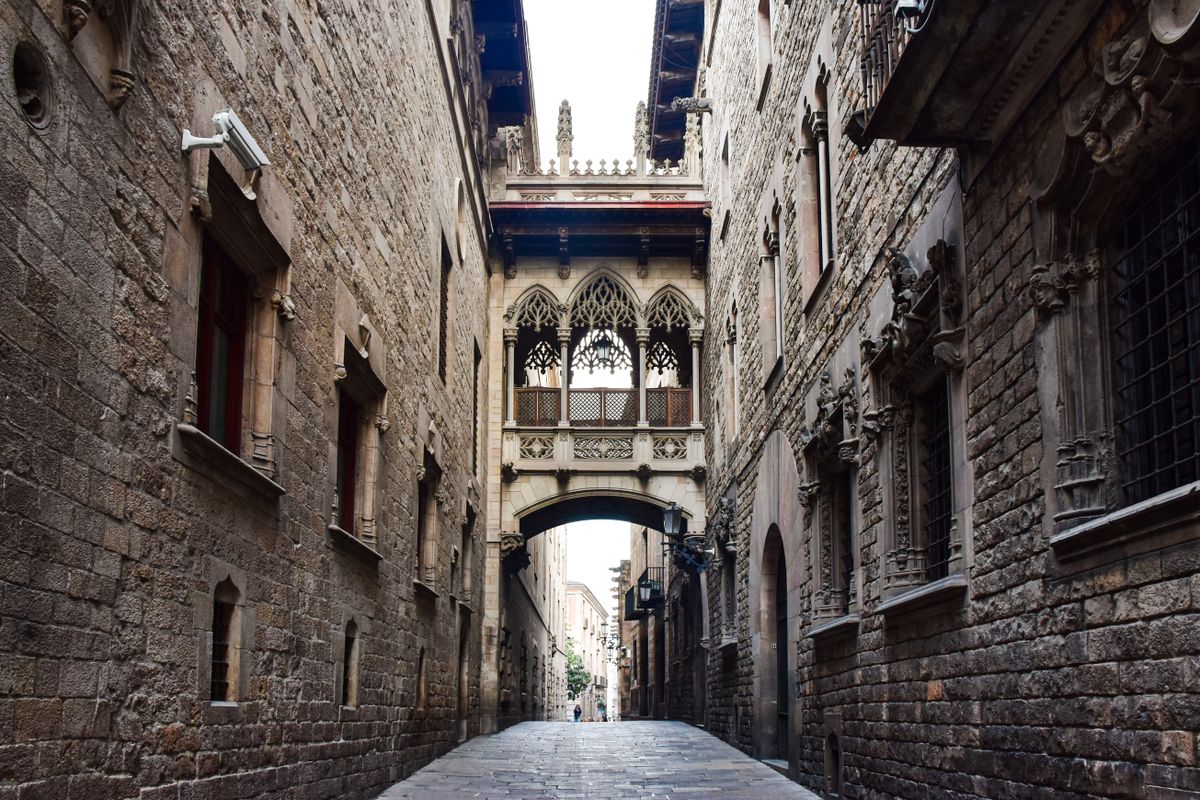
The Gothic Quarter is the romantic, historic heart of Barcelona. Stretching from the famous boulevard of La Rambla to the harbor, this labyrinth of narrow medieval alleys, soaring stone arches, and quiet squares was founded by the Romans over two thousand years ago.
Stroll past the spectacular Gothic spires of the Barcelona Cathedral (Catedral de la Santa Creu i Santa Eulàlia). Get lost in the narrow stone corridors of the Jewish Quarter (El Call), and relax with an espresso in the palm-framed Plaça Reial. At dusk, walk through the historic Plaça del Rei, where the medieval Kings of Aragon once held court. The Gothic Quarter is a walker's dream where history feels alive around every turn.
Fly into Barcelona-El Prat (BCN). The Aerobús connects the airport terminals directly to Plaça de Catalunya (at the head of the Gothic Quarter) in 35 minutes.
Stay inside Barri Gòtic for historic atmosphere, nearby El Born for trendy boutiques, or Eixample for grand, grid-aligned hotel buildings.
2. Eixample & Sagrada Família

Eixample is the elegant, 19th-century grid-aligned district of Barcelona, famous for its grand octagonal blocks and avenues. This is the global center of Catalan Modernism, anchored by Gaudí's unfinished religious masterpiece, the Temple Expiatori de la Sagrada Família.
Tour the breathtaking interior of the Sagrada Família, where Gaudí's columns rise like concrete tree trunks and filter the sun through stunning forest-like stained glass. Walk down the upscale boulevard Passeig de Gràcia to see Gaudí's extraordinary residential buildings, Casa Batlló with its scale-like tiled roof, and the stone-waved La Pedrera (Casa Milà).
Perfect metro access. Take Metro Line 2 (Purple) or Metro Line 5 (Blue) directly to the Sagrada Família station. Passeig de Gràcia is accessible via Metro Line 3 or 4.
Stay inside Eixample for stately boutique hotels and grand design architecture, or adjacent Barri Gòtic for close historical walking streets.
3. Gràcia Neighborhood

Gràcia was an independent village until it was swallowed by Barcelona's rapid 19th-century expansion. Today, it retains a distinct small-town identity, characterized by leafy, vehicle-free plazas, family-owned bodegas, artisan workshops, and a thriving bohemian atmosphere.
Wander through Gràcia's quiet alleys to discover historic plazas like Plaça del Sol and Plaça de la Virreina, where locals gather for afternoon vermouth. Walk north up the hillside to explore Gaudí's fantastical Park Güell, featuring mosaic-covered dragon staircases and columned pavilions with spectacular city views. Don't miss Gaudí's first major residential design, Casa Vicens, nestled in Gràcia's quiet back streets.
Located north of Eixample. Take Metro Line 3 (Green) directly to Fontana station or Lesseps station (for Park Güell walks). The neighborhood is highly walkable and pedestrian-locked.
Stay inside Gràcia for authentic bohemian apartment guest houses, or stay nearby in Eixample for high-end boutique hotels.
4. Barceloneta & Port Vell
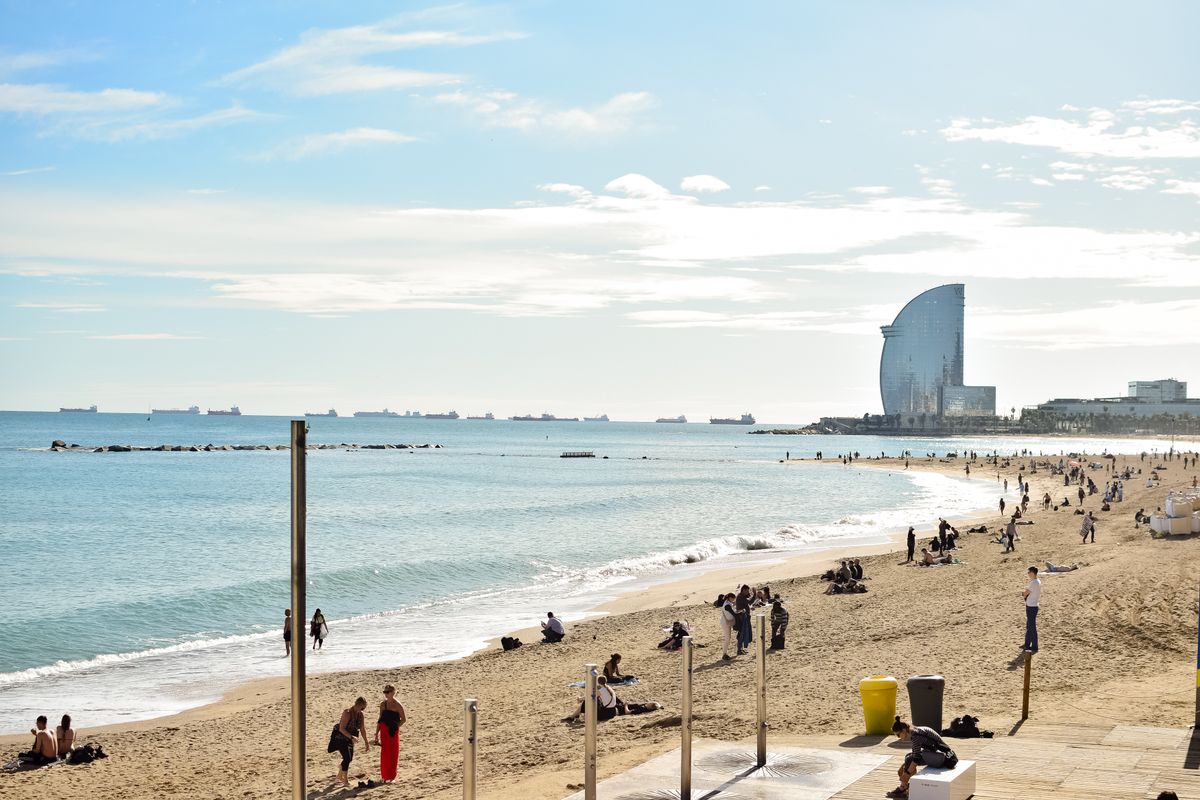
Barceloneta is Barcelona's historic seaside neighborhood, a narrow strip of land reaching into the Mediterranean. Once a humble fishing district, it has evolved into a lively coastal hotspot, blending sandy beaches with outstanding seafood restaurants and scenic harbor promenades.
Walk along the bustling boardwalk of Barceloneta Beach and soak in the Mediterranean sun. Explore the narrow, laundry-draped streets of the old fishing village to sample authentic seafood tapas and traditional paella at a local chiringuito (beach bar). Stroll through the modern harbor of Port Vell and look at the yachts docked along the wooden docks of Rambla de Mar.
Located centrally south of the Gothic Quarter. Walk 15 minutes along Port Vell, or take Metro Line 4 (Yellow) directly to the Barceloneta station.
Stay inside Barceloneta for beach-front luxury hotels and maritime air, or stay nearby in historic El Born for boutique nightlife.
5. Montjuïc Hill

Montjuïc is a massive, green-wooded hill overlooking Barcelona's harbor. Serving as the site of the 1929 International Exposition and the 1992 Summer Olympic Games, it offers outstanding cultural institutions, pristine gardens, and spectacular panoramic vistas.
Ride the scenic Telefèric de Montjuïc (cable car) up to the historic 17th-century Montjuïc Castle at the peak of the hill. Explore the majestic Palau Nacional, which houses the outstanding Museu Nacional d'Art de Catalunya (MNAC). Walk through the beautifully preserved Olympic Stadium, and watch the spectacular music and light display at the Magic Fountain (Font Màgica) at the base of the hill.
Ride the Funicular de Montjuïc from Paral·lel metro station (L2/L3) directly up the hillside, or board Metro Line 1 or 3 to Espanya station to walk up the majestic front cascade path.
Stay inside Sants-Montjuïc for easy hillside and green park access, or nearby Barri Gòtic for central old city nightlife.
Planning Your Barcelona City Break
To maximize your time in Barcelona, keep these essential practical tips in mind:
- Book Gaudi Tickets in Advance: Because Antoni Gaudí's works are incredibly popular, both the Sagrada Família and Park Güell sell out weeks in advance. You cannot buy tickets at the door; always book online in advance to guarantee entry.
- Beware of Pickpockets: Barcelona is generally very safe, but it is globally notorious for high-skill petty theft, especially in crowded tourist hubs like La Rambla, Gothic Quarter alleys, and inside metro cars. Keep your bags closed, and never put your phone or wallet in your back pocket.
- Catalan Dining Hours: Dining in Spain happens much later than in other parts of Europe. Lunch is usually eaten between 2:00 PM and 4:00 PM, and dinner rarely starts before 9:00 PM. Many traditional tapas bars will remain closed or completely empty at 7:30 PM.
Barcelona moves at a wonderfully warm, Mediterranean pace. Sip on cool cava, enjoy your tapas in the plazas, and let the historic and artistic wonders of Catalonia show themselves.


